by Mama B (Saudi Arabia) | Oct 16, 2013 | 2013, Cultural Differences, Human Rights, Humanitarian, Millennium Development Goals, Saudi Arabia
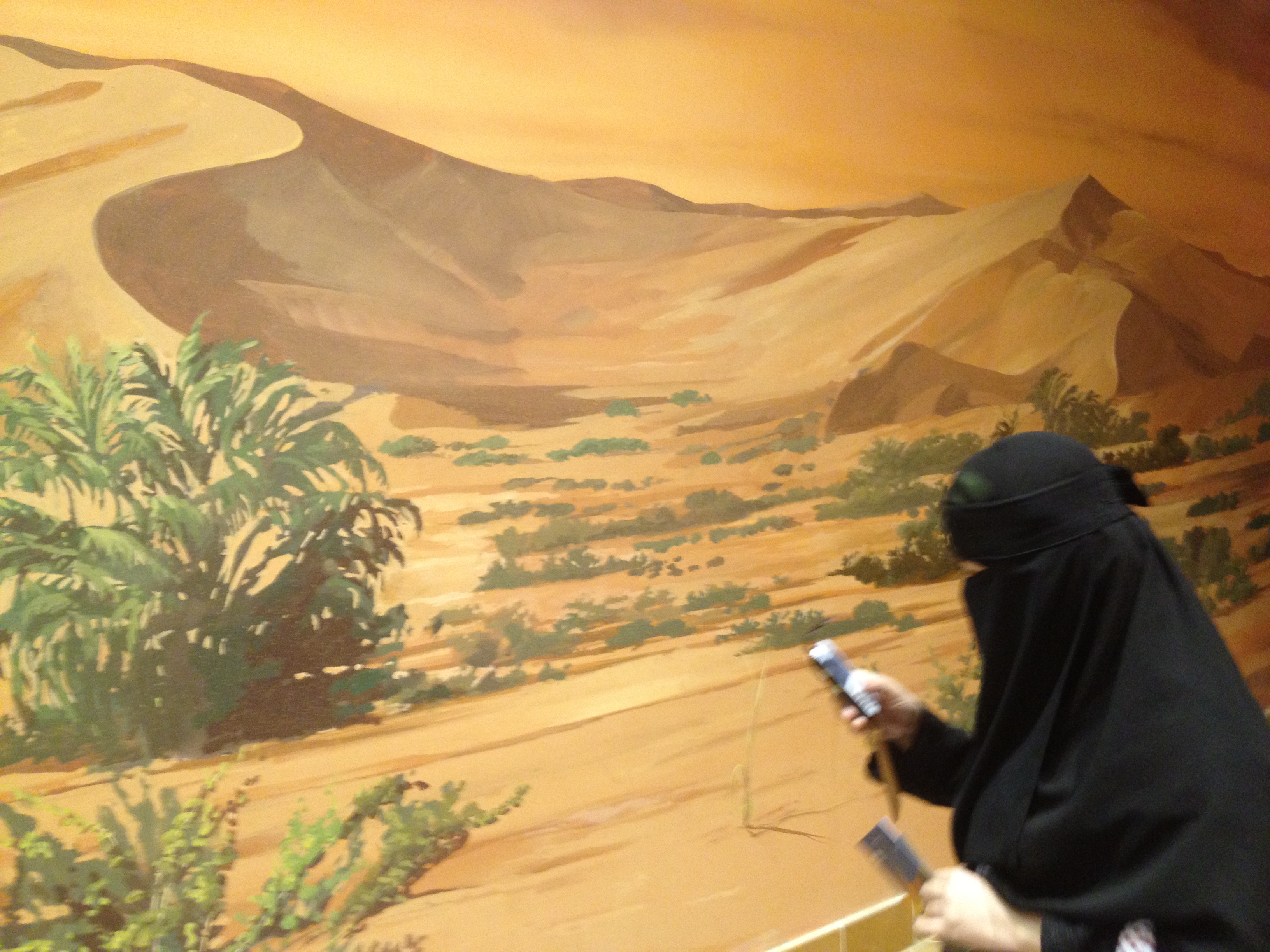
When we grow up with something in our lives we don’t think about it much anymore. It’s just there, being, and we don’t notice it’s effect on the world around us. It’s there and always was there. We don’t give a thought about how it got there and why it’s there and never have the luxury of seeing it all for the first time and realising just how big and amazing it all is!
That was my relationship with Alnahda Philanthropic Women’s Society. I grew up volunteering there (With many many girls of my generation) and the women who run it, staff it and make everything happen are an inspiration to watch. I started ‘helping’ with their yearly bazaars and joining the fashion shows. It was fun. We were doing good and proud of it. But yes, mostly it was fun.
Alnahda is a non-profit society founded in 1962 by some of the strongest Saudi women. They were empowered, educated and forward thinking women who have always been pioneers in the advancement of women’s roles and opportunities in Saudi Arabia.
So many people around the world know of the barriers facing women in Saudi but not enough know of the steps that are being taken to bring these barriers down and Alnahda is one of the first to take these steps making a path for women to be leaders in their homes, communities and in Saudi.
They initiated the fight against illiteracy, established the first women’s library in Riyadh, are a leader in vocational training and rehabilitation for women with special needs. Alnahda also established emergency residential shelters for families with difficulties and have always had a strong interest in preserving Saudi heritage. Their collection has 5000 pieces from dresses, jewellery and original traditional doors.
I grew up and out of the age of wanting to do the fashion shows and actually did start properly helping when they needed volunteers. As the years passed I got less and less involved because I moved away to go to university then I got married and had my children. I would go to their events and volunteer when I could but I was nowhere near as active as when I was a child!
Last year when they were celebrating their 50th year I was reintroduced to it as a newcomer, and a mother of one daughter, for the first time and I saw how much effect this remarkable society had on the world around us! I was blown away by how many women Alnahda was able to reach from all different financial and educational backgrounds.
Alnahda focuses on women led households. They work on giving these women the tools to empower them as mothers and bread winners for their families. They train women and help them find employment.
Alnahdha also helps women who don’t need financial or educational help but are lacking the support and guidance to start their careers. They have done this not only for individuals but for other societies as well such as the Saut Down Syndrome Society that started in the 80’s as a small preschool for 4 children on the grounds of Alnahda and now is an independent entity that is well on its path to opening schools around the Kingdom.
Alnahda has one program so powerful it will literally change the course of so many women’s lives. The program is called ‘mustaqbali’ My Future. This program works on changing the mindset of young women who have lost hope for their future. They have worked with young women who have dropped out of school and motivated them to go back and get their high school degree. They have helped these women get college degrees or the proper training for the career that suites them. They guide women in finding themselves and empower them to make the best of their lives.
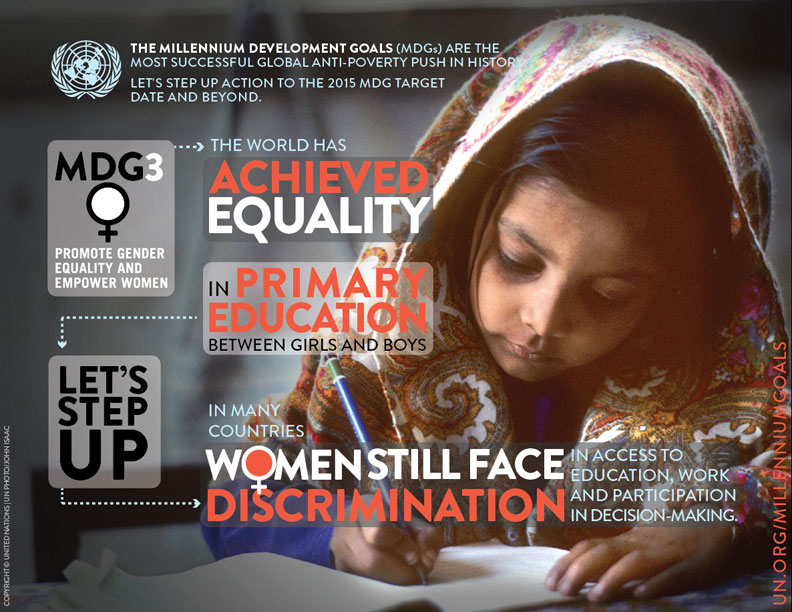
Alnahda Philanthropic Women’s Society is the embodiment of the UN’s third Millennium Developmental Goal of promoting gender equality and empowering women.
It gives me pride to be part of this society that never deviated from its mission “to empower women socially and economically through financial and social support, training, and employment.”
These are some of the people who are paving the way for my daughter not to have to restrict her options, stop herself from dreaming or expect less of herself. What do I want my daughter to do when she grows up? I am hoping I won’t be the one telling her and I am praying she will be spoilt for choice!
Join us today for our #Moms4MDGs Twitter party to discuss Gender Equality with @GirlUp at 1:00 EST, and with Plan International @PlanGlobal at 9pm EST. Wondering what time that is in your country? Check HERE. In joining in you will automatically be entered to win a copy of Malala Yousafzai’s new book I Am Malala. We hope to see you there!
This is an original post written by Mama B. for the World Moms Blog #Moms4MDGs campaign on World Moms Blog and in Arabic on Alnahda in Saudi Arabia.

Mama B’s a young mother of four beautiful children who leave her speechless in both, good ways and bad. She has been married for 9 years and has lived in London twice in her life. The first time was before marriage (for 4 years) and then again after marriage and kid number 2 (for almost 2 years). She is settled now in Riyadh, Saudi Arabia (or as settled as one can be while renovating a house).
Mama B loves writing and has been doing it since she could pick up a crayon. Then, for reasons beyond her comprehension, she did not study to become a writer, but instead took graphic design courses. Mama B writes about the challenges of raising children in this world, as it is, who are happy, confident, self reliant and productive without driving them (or herself) insane in the process.
Mama B also sheds some light on the life of Saudi, Muslim children but does not claim to be the voice of all mothers or children in Saudi. Just her little "tribe." She has a huge, beautiful, loving family of brothers and sisters that make her feel like she wants to give her kids a huge, loving family of brothers and sisters, but then is snapped out of it by one of her three monkeys screaming “Ya Maamaa” (Ya being the arabic word for ‘hey’). You can find Mama B writing at her blog, Ya Maamaa . She's also on Twitter @YaMaamaa.
More Posts
by Elizabeth Atalay | Oct 15, 2013 | 2013, Humanitarian, Millennium Development Goals, Social Good, Social Media, Uncategorized, Womanhood, Women's Rights, World Moms Blog

In 2000, 189 nations made a promise to free people from extreme poverty and multiple deprivations. This pledge turned into the eight Millennium Development Goals, and was written as the Millennium Goal Declaration .- United Nations Development Programme
This month as we continue our #Moms4MDG campaign we are joining forces with three dynamic organizations, Al-Nahda in Saudi Arabia, and United Nations Foundation’s Girl Up campaign, and Plan International, all working towards MDG #3.
Al-Nahda is a charitable women’s society dedicated to empowering women socially and economically through the execution of numerous projects and programs with the goal for women to be active partners in the development of Saudi Arabian society.
Girl Up is a campaign of the United Nations Foundation where American girls are given the opportunity to become global leaders and to channel their energy and compassion to raise awareness and funds for United Nations programs that help some of the world’s hardest-to-reach adolescent girls. The goal of Girl Up is a world where all girls, no matter where they live, have the opportunity to become educated, healthy, safe, counted and positioned to be the next generation of leaders.
Plan International is one of the oldest and largest children’s development organizations in the world, working in 50 developing countries across Africa, Asia and the Americas to promote child rights and lift millions of children out of poverty. Their Because I’m A Girl Campaign aims to support millions of girls to get the education, skills and support they need to transform their lives and the world around them.
Millennium Development Goal #3 is to promote gender equality and empower women. Although the initial target of MDG 3 to eliminate the gender disparity between boys and girls in primary education has been reached, there are still huge gaps for women in higher education and the work force. Violence, poverty and discrimination in the work force continue to delay progress for women in many areas of the world. Here, at World Moms Blog, we believe that when women come together we are powerful, and that collectively we can create change.
Join us tomorrow October 16th for our #Moms4MDGs Twitter party to discuss Gender Equality with @GirlUp at 1:00 EST, and with Plan International @PlanGlobal at 9pm EST. By joining in you will automatically be entered to win a copy of Malala Yousafzai’s new book I Am Malala. We hope to see you there!
P.S. Never been to a twitter party before? Go to www.tweetchat.com and put in the hashtag: “#Moms4MDGs during the party times. From there you can retweet and tweet and the hashtag will automatically be added to your tweets. And, from there you can also view all of the party tweets!
This is an original post to World Moms Blog by World Voice Editor, Elizabeth Atalay of Documama in Rhode Island, USA.

Elizabeth Atalay is a Digital Media Producer, Managing Editor at World Moms Network, and a Social Media Manager. She was a 2015 United Nations Foundation Social Good Fellow, and traveled to Ethiopia as an International Reporting Project New Media Fellow to report on newborn health in 2014. On her personal blog, Documama.org, she uses digital media as a new medium for her background as a documentarian. After having worked on Feature Films and Television series for FOX, NBC, MGM, Columbia Pictures, Warner Brothers, 20th Century Fox, and Castle Rock Pictures, she studied documentary filmmaking and anthropology earning a Masters degree in Media Studies from The New School in New York. Since becoming a Digital Media Producer she has worked on social media campaigns for non-profits such as Save The Children, WaterAid, ONE.org, UNICEF, United Nations Foundation, Edesia, World Pulse, American Heart Association, and The Gates Foundation. Her writing has also been featured on ONE.org, Johnson & Johnson’s BabyCenter.com, EnoughProject.org, GaviAlliance.org, and Worldmomsnetwork.com. Elizabeth has traveled to 70 countries around the world, most recently to Haiti with Artisan Business Network to visit artisans in partnership with Macy’s Heart of Haiti line, which provides sustainable income to Haitian artisans. Elizabeth lives in New England with her husband and four children.
More Posts

by Alison Fraser | Sep 24, 2013 | 2013, Africa, Canada, Childhood, Education, Eye on Culture, Family, Girls, Human Rights, Humanitarian, Humanity, Inspirational, International, ONE, Philanthropy, Poverty, Uncategorized, United Nations, Women's Rights, World Voice

City of Kitchener Councillor, Kelly Galloway-Sealock, and the author’s three daughters at a 2012 International Day of the Girl Child event
Mark your calendars and celebrate October 11th with your families and in your communities! Why you might ask? Well, the reasons are two-fold. Firstly, October 11th is Eleanor Roosevelt’s birthday. Eleanor was a world-renowned advocate for human rights and world peace. She was instrumental in the development and implementation of the Universal Declaration of Human Rights. So, how fitting is it that the United Nations has declared October 11th as the International Day of the Girl Child.
This October 11th marks the second annual International Day of the Girl Child. This day will be celebrated worldwide in an effort to bring attention to the human rights of girls around the world, and to highlight the gender-based struggles that so many young girls face daily.
Forced childhood marriages, rape, and female genital mutilation are just some of the issues that many little girls are forced to deal with at very early ages. In many countries, young girls are not valued and as a result are not invested in, particularly when it comes to schooling. The resulting long-term effects are alarming and have been documented in an eye-opening video by the Girl Effect movement. Please watch this video and share with friends and family – it will change the way you see the world. Girl Effect – the clock is ticking!
Last year, the focus of the very first International Day of the Girl Child was child marriage. This year, the focus will be on education. There are so many wonderful ways that you can participate in this important day. Whether you plan a family event or a community event, we all need to ensure that this very important day is recognized. Spread the word – girls are important and need to be valued, respected and treated as equal partners in our local and global communities.
What can you do to honour this important day? You can host a community screening of the Girl Rising film that is receiving acclaim worldwide. You can act to spread the word about struggles some young girls are facing in the world today. You can talk to your children about these critical issues. You can ask your child’s teacher to discuss this day with their class. You can organize a fundraising event in your office/workplace. Whatever you choose to do, whether it be large or small-scale, YOU can make a difference on October 11th!
Last year, my three young daughters tied pink ribbons in their hair and joined a local city councillor on a hike discussing the importance of human rights for all girls. It was a simple but highly effective way to celebrate this day. So many people asked them why they were wearing the ribbons, allowing them to speak about the day in their own words describing what it meant to them. It was so great to see the passion being shared by a younger generation, especially given that many of these issues are often difficult for them to understand and rationalize!
This year, we are planning a yoga event at a local studio for young boys and girls in the community. We are asking for small donations, which will then be used to support the educational needs of girls in Tanzania. In addition, my two older daughters have done small research projects on the significance of the International Day of the Girl Child, and will be presenting all that they have learned to their classmates on October 11th, thanks to the support of their teachers. I encourage you to plan an event too!Your event does not have to be fancy or sophisticated. Sometimes the smallest and simplest acts can have the greatest impact.
Let’s all celebrate October 11th together – girls are worth it!
As Eleanor Roosevelt once said;
“Where, after all, do universal human rights begin? In small places, close to home – so close and so small that they cannot be seen on any maps of the world. Yet they are the world of the individual person; the neighborhood he lives in; the school or college he attends; the factory, farm, or office where he works. Such are the places where every man, woman, and child seeks equal justice, equal opportunity, equal dignity without discrimination. Unless these rights have meaning there, they have little meaning anywhere. Without concerted citizen action to uphold them close to home, we shall look in vain for progress in the larger world.” – Eleanor Roosevelt
In what way might you celebrate the Day of The Girl Child?
This is an original World Moms Blog post written by Alison Fraser.
Alison Fraser is the mother of three young girls ranging in age from 5 to 9 years old. She lives with her family in Cambridge, Ontario, Canada. Alison works as an Environmental Toxicologist with a human environment consulting company and is an active member of the Society of Environmental Toxicology and Chemistry (SETAC). She is also the founder and director of the Canadian Not for Profit Organization, Mom2Mom Africa, which serves to fund the school fees of children and young women in rural Tanzania. Recently recognized and awarded a "Women of Waterloo Region" award, Alison is very involved in charitable events within her community including Christmas Toy and School Backpack Drives for the local foodbank.
More Posts - Website
Follow Me:


by Mannahattamamma (UAE) | Sep 23, 2013 | Family, Family Travel, Kids, Older Children, Poverty, UAE, USA, World Motherhood
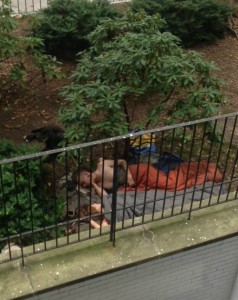 Ever since we moved out of Manhattan to Abu Dhabi, in the summer of 2011, our family has been lucky enough to do a lot of traveling. Seeing the world had been, in fact, one of the primary reasons we’d decided to make our move–well, that and the fact that we’d been offered interesting jobs in a fascinating (and sometimes frustrating) city. Our move coincided with a kind of “sweet spot” for our kids: they were old enough to be able to experience our travels and remember them…but not so old (read: teen-agers) that separating them from life in New York, in the shape of things like sports teams and romances, had become impossible.
So off we went, carting twelve suitcases to the other side of the world, not entirely sure what we’d find when we arrived, but ready to explore. We’ve had some great trips and amazing experiences, seen stunning beauty and gut-wrenching poverty. Our journeys are not terribly rugged or adventurous (our kids aren’t that old yet, and let’s face it: I’m a big believer in things like indoor toilets and mattresses, which is to say: I’m a wimp), but I like to think that we are all being opened to thought-provoking encounters of all sorts. (more…)
After twenty-plus years in Manhattan, Deborah Quinn and her family moved to Abu Dhabi (in the United Arab Emirates), where she spends a great deal of time driving her sons back and forth to soccer practice. She writes about travel, politics, feminism, education, and the absurdities of living in a place where temperatures regularly go above 110F.
Deborah can also be found on her blog, Mannahattamamma.
More Posts
Follow Me:

by Sophie Walker (UK) | Sep 18, 2013 | 2013, Being Thankful, Competition, Health, Inspirational, International, Life Lesson, Sophie Walker, Sports, UK, Uncategorized, Womanhood, Women's Rights, World Events, World Motherhood
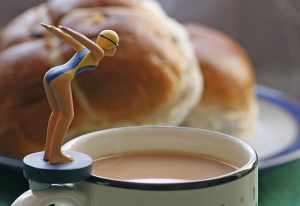 Hurrah for Diana Nyad!
In a few short weeks she has overturned long-established ideas about age and ability and strength and given us all a reason to keep swimming.
Nyad, in case you’ve been looking the other way, is the 64-year-old woman who recently became the first person to swim the 110 miles from Cuba to the U.S. without a shark cage, taking almost 53 hours.
This would be a marathon effort at any time, but when you consider that it was her fifth attempt over some forty years; that she had to wear a mask to protect her from jellyfish stings; that she took in so much sea water it caused her to vomit constantly for almost all of that 53 hours; that she arrived finally with face and lips swollen from sun and sea water – well, then her achievement, and her insistence not to be deflected from her aim, would seem to reflect almost superhuman levels of endurance.
The word endurance does not typically bring to mind 64-year-old women. In our culture, it is often used to describe young men – runners, rowers and cyclists at the peak of their profession or pushy capitalists doing extreme sports to fill that adrenaline void when Wall Street is closed.
Google “Endurance” and up come pictures of young, lean, tanned male muscle in a celebration of machismo as traditional now as images of mustachioed weight-lifters once were in Victorian times.
The same web search also shows sepia-tinged photographs of the tall-masted Victorian adventure ship christened Endurance, on which British polar explorer Ernest Shackleton set off for Antarctic expeditions in the last century. (Twenty-first century sailor Ellen MacArthur’s solo circumnavigation of the globe strangely does not feature.)
Nonetheless, I think many women, hearing Nyad’s achievement, will have given a little nod, and maybe a small smile, of understanding. Many more will never hear of her, yet understand without discussion the will that kept Nyad going.
Though they may not be sports fanatics, or travelers with a yen for the toughest destinations, many women set their own personal standards of endurance in their day-to-day existences.
Their marathon may consist of walking for hours to find water and food in conditions of extreme poverty and hunger. Their endurance training may consist of watching their children die for the lack of a cheap vaccine. Their 53-hour record may be for the time worked within a dangerous and miserably uncomfortable factory, to earn a tiny amount with which a family can just about be supported.
For the luckier ones, endurance may just mean a bleak commute, juggling the needs of employers and families and ever-mounting bills. It may mean keeping smiling when a child is in pain, it may mean getting up for the fifth time in one night to attend to small, fevered offspring while knowing that big important morning meeting is looming. It may mean getting over the disappointment when that male colleague got that promotion. It may mean an ability to keep walking with head high when the cat calls keep coming.
Endurance can mean many things. Diana Nyad has reminded us that it is not an exclusively male domain. Already crowds of cynics are assembling to cast doubt on Nyad’s achievement, wondering how an old woman could have completed that swim in that time. Clearly her next endurance test lies just ahead.
But whatever the outcome, she has broadened the parameters of what the will to keep going looks like. And that is no small feat, either.
This is an original post to World Moms Blog from our writer in the UK and mother of four, Sophie.
The image used in this post is credited to Alan Cleaver. It holds a Flickr Creative Commons attribution license.

Writer, mother, runner: Sophie works for an international news agency and has written about economics, politics, trade, war, diplomacy and finance from datelines as diverse as Paris, Washington, Hong Kong, Kabul, Baghdad and Islamabad. She now lives in London with her husband, two daughters and two step-sons.
Sophie's elder daughter Grace was diagnosed with Asperger Syndrome several years ago. Grace is a bright, artistic girl who nonetheless struggles to fit into a world she often finds hard to understand. Sophie and Grace have come across great kindness but more often been shocked by how little people know and understand about autism and by how difficult it is to get Grace the help she needs.
Sophie writes about Grace’s daily challenges, and those of the grueling training regimes she sets herself to run long-distance events in order to raise awareness and funds for Britain’s National Autistic Society so that Grace and children like her can blossom. Her book "Grace Under Pressure: Going The Distance as an Asperger's Mum" was published by Little, Brown (Piatkus) in 2012. Her blog is called Grace Under Pressure.
More Posts
by Ms. V. (South Korea) | Aug 27, 2013 | 2013, Human Rights, N. Korea, South Korea, Uncategorized, World Voice
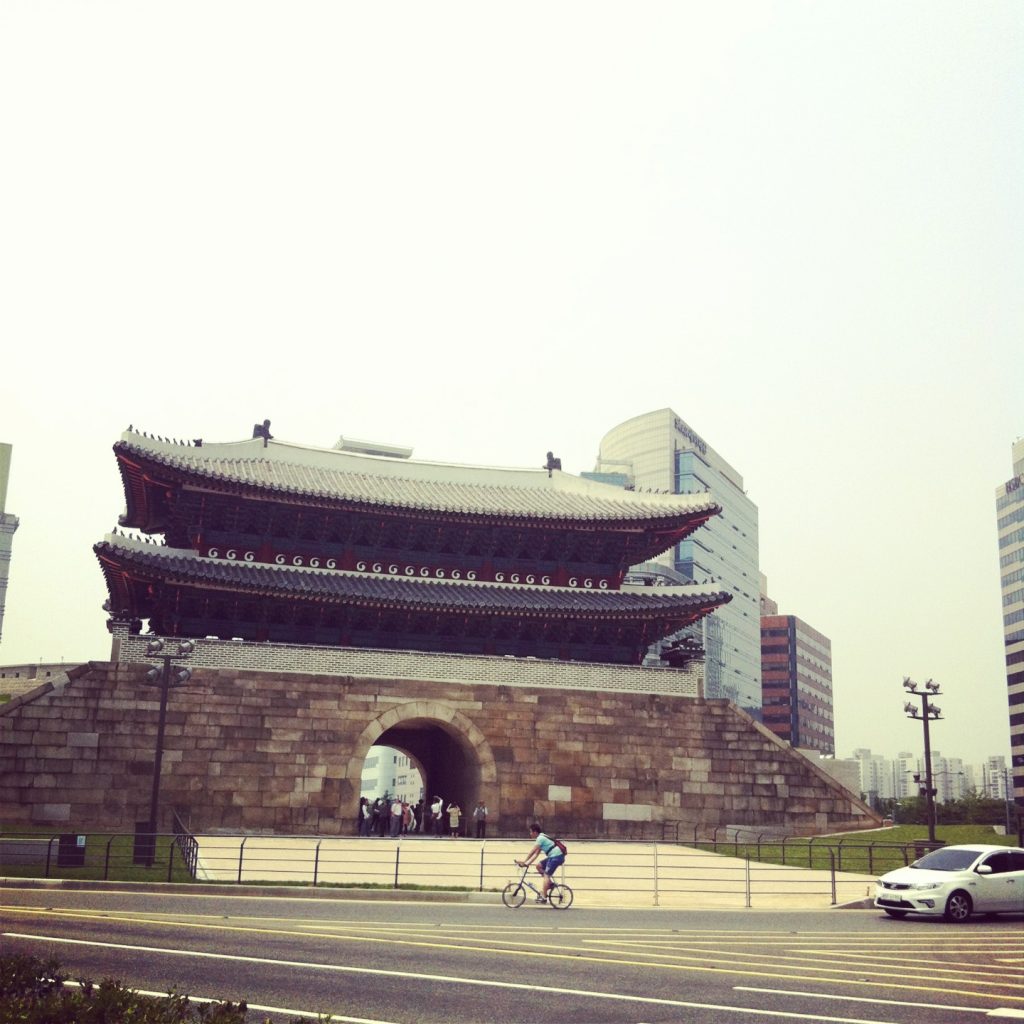
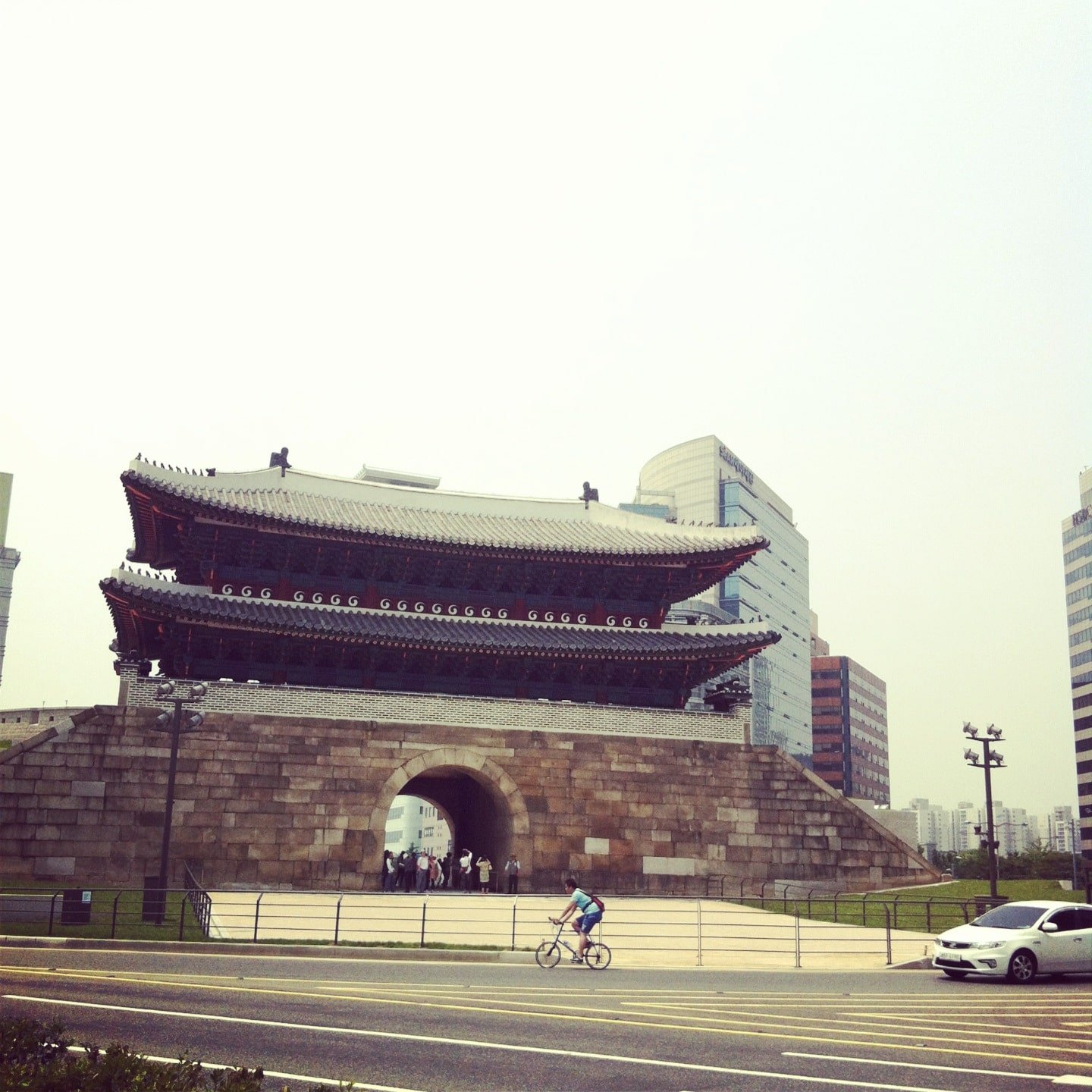
Photo by Ms. V
The third week of August here in Seoul brought some extreme heat, some sun after weeks of monsoon rain, and the first ever United Nations Commission of Inquiry into human rights abuses by North Korea.
The hearings were held at a local university and while the accounts were harrowing – beatings, killings, starvation – they were nothing we haven’t heard before. For some, the fact that the UN was officially holding these hearings was a hopeful sign that the international community is poised to act on behalf of the millions of North Koreans living under that repressive regime. For others, these hearings carry little, if any, weight at all. After all, what will more talking about abuses that have been going on for three generations of the Kim family rule do to stop them?
What I found most surprising about the hearings was the almost complete lack of interest in them here in Seoul. They were very sparsely attended, journalists being the bulk of those in attendance. As an outsider, it is very challenging to understand the complicated relationship that Koreans from the south have with Koreans from the north.
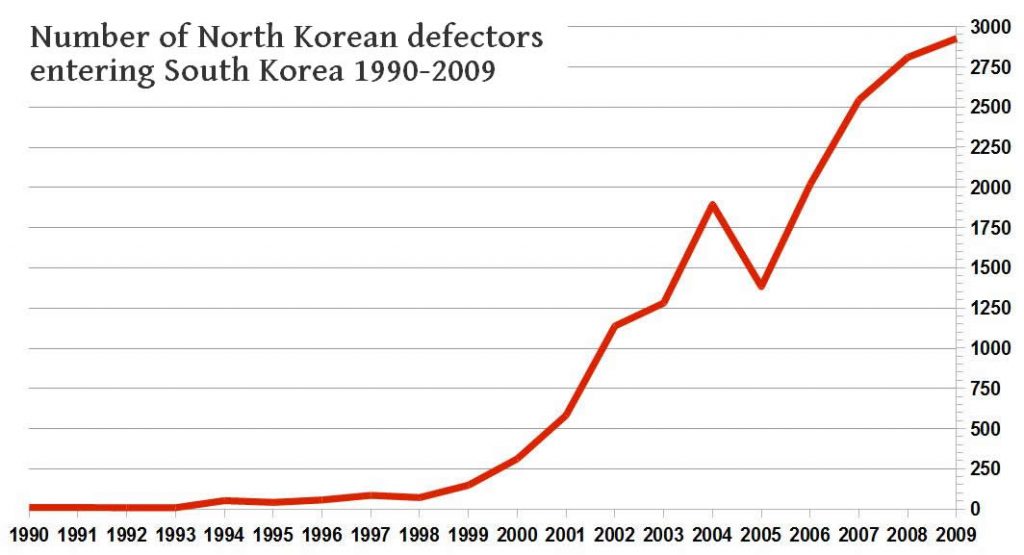
In the period immediately after the war, and for a few decades after, defectors were hailed as heroes and national treasures and were taken care of by the South Korean state. Somewhere along the road, though, attitudes began to shift. As more and more defectors made their way to South Korea, the government changed its policies for handling these North Koreans and South Korean citizens began to see them, not as heroes, but at best a nuisance and at worst a problem.
One must understand the vast differences that exist between these two countries occupying the same peninsula. North Korean defectors are shorter, less healthy, and far less educated, if at all.
Their language and speech patterns are different and they struggle to assimilate into the very fast-paced and highly technology-dependent life in the South. It is not uncommon for South Koreans to believe that North Koreans are lazy drunks and to feel embarrassed by their very existence.
The framework of Confucianism almost always provides some clarity to the cultural nuances that I don’t understand. In this case, the Confucian preoccupation with the “right way” creates an environment where differences, rather than being celebrated, are focused on and seen as inherently bad. There does not appear to be any room in the South Korean culture for an appreciation of the difference in language or mannerisms of the North Korean escapees.
Source: Wikimedia Commons
This focus on uniformity and a belief that there is one right way to do everything is apparent throughout Korean culture, and while I have observed it many times and in various situations, its application to the situation with the North Korean defectors is hard for me to wrap my brain around.
As an outsider and a guest in this country – which I must say has been mostly warm and welcoming to me and my family and a very comfortable place for us to live – my perspective is admittedly limited. Bur from where I stand, I see the heartbreaking reality that those who are courageous enough to do what is necessary to flee North Korea and make it to the south have a largely uphill battle.
South Koreans cannot undo what has been done to those in the north. They cannot erase the trauma or the long-term effects of malnutrition and suppression. What they can do is put an end to the discrimination.
Differences are often threatening at first glance, especially when they are a result of something as terrible as war. Yet, all differences are opportunities for enrichment and growth. It is a shame that the current generation of Koreans is paying for the choices of previous generations and the problem of managing the current flow of defectors, not to mention what would happen were the two Koreas to unite, is beyond overwhelming.
This we know – the North Korean regime is guilty of human rights abuses. The North Koreans who make it to the south have suffered enough and defecting is only the beginning of their very hard road in life. Hopefully the South Korean government and people can create policies that help and cultivate attitudes that heal.
This is an original post to World Moms Blog written by our South Korean contributor Ms. V.
Did you follow the news of the hearings this past week?
For more information about the challenges faced by North Korean defectors, you may want to read this report compiled by CrisisGroup.org
Ms. V returned from a 3-year stint in Seoul, South Korea and is now living in the US in the beautiful Pacific Northwest with her partner, their two kids, three ferocious felines, and a dog named Avon Barksdale. She grew up all over the US, mostly along the east coast, but lived in New York City longer than anywhere else, so considers NYC “home.” Her love of travel has taken her all over the world and to all but four of the 50 states.
Ms. V is contemplative and sacred activist, exploring the intersection of yoga, new monasticism, feminism and social change. She is the co-director and co-founder of Samdhana-Karana Yoga: A Healing Arts Center, a non-profit yoga studio and the spiritual director for Hab Community. While not marveling at her beautiful children, she enjoys reading, cooking, and has dreams of one day sleeping again.
More Posts
Follow Me: