by Susan Koh | Feb 5, 2015 | 2015, Awareness, Caring, Childhood, Inspirational, Life Balance, Motherhood, Parenting, Responsibility, Singapore, Susan Koh, Working Mother, World Motherhood, Younger Children
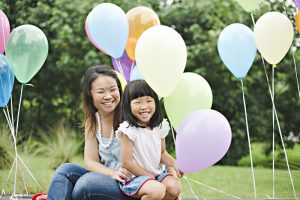 Since the start of the year, my daughter, Sophie, has been asking me to play with her as soon as we get home from work. I think it has to do with her anxiety about entering primary one in a year’s time (the age where formal studies start in Singapore). The teachers in her childcare have been telling her that she’ll have no time to play because she’ll have homework from school.
Some days, I’m glad to put down everything and play with her. But on other days, I’ll tell her to play on her own so that I can get down to the household chores. And on one of those days, when I was tired and frustrated after a full-day’s work, I lashed out at her for not being able to play independently when I have a hundred-and-one chores to see to, only to have her respond in tears.
When I questioned why she was so upset, she told me in between sobs that all children like to play and she really would like mummy to play with her.
A missed opportunity to play with your child, is a missed opportunity to enter their world and bond with them.
I can sense that my daughter’s request to play with her is really her way of saying:
“I want to spend time with you mummy”
“I want to do things with you daddy”
“I want you to be beside me”
While I may have my own agenda of what bonding with my daughter means, taking her to the playground, playing Lego, doing craft work, cooking pancakes together, her request is simply to put down what I’m doing and play with her.
And how can I allow her childhood to slip by without being a part of it? After all, we may not always have these moments:
- when our child still wants to play hide and seek with us
- our child asks for yet another bedtime story
- they hug us with all their might to show that they really really really love us
- they tickle us with the silliest things they say and infect us with their contagious laughter till our belly aches
- their little hands reach for ours looking for security in the middle of the night
- they plant a kiss on our cheeks and whisper, I love you mummy, for no reason at all; which melts us over and over again
The next time your child asks you to put down what you’re busy with so you can come play with her, don’t turn her down. A missed opportunity to play with your child, is a chance missed to enter her world and create special memories together.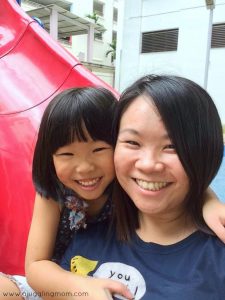
What are some of the ways you take time out of your schedule to spend quality time playing with your child?
This is an original post to World Moms Blog from our contributor in Singapore, Susan Koh.
The images used in this post are attributed to the author.
Susan is from Singapore. As a full-time working mom, she's still learning to perfect the art of juggling between career and family while leading a happy and fulfilled life. She can't get by a day without coffee and swears she's no bimbo even though she likes pink and Hello Kitty. She's loves to travel and blogs passionately about parenting, marriage and relationship and leading a healthy life at A Juggling Mom.
More Posts

by Dee Harlow (Laos) | Jan 14, 2015 | Africa, Domesticity, Expat Life, Family Travel, Global Citizenship, Inspirational, Lesotho, Moving, Relocating, South Africa, Uncategorized
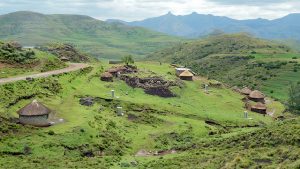 In 2002, my international investment banking career in Singapore had left me drained. I needed to find the physical and mental freedom to return to my first passion, which was development work. I left my job and embarked on a solo backpacking journey, looking for peace and inspiration. By the time I circled around sub-Saharan Africa and ended in Lesotho, I found both. I have never looked back.
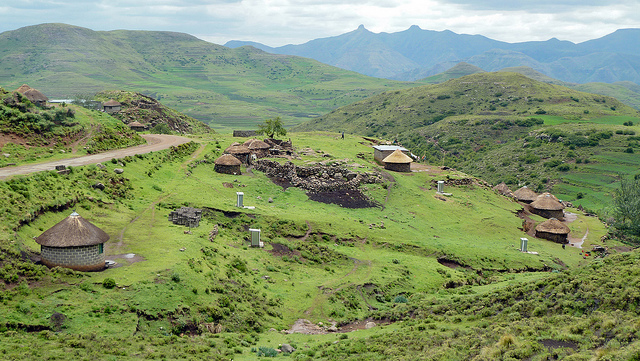
My very first impression of Lesotho came from the high peaks of the Drakensberg mountain range in the eastern part of the country, where the autumn air was cool and crisp. Dirt roads wound through small villages dotted with tradition rondavels made of stones or mud, with thick thatched roofs. The vast mountain plains opened up into a broad blue sky and brilliant, high-altitude sunshine. Our hiking trail climbed up rocky table mountain tops and down into freezing cold streams that cut through house-sized boulders, groves of thirsty willows, and into caves of prehistoric paintings. Lesotho, tucked completely within the walls of South Africa, seemed an ideal natural treasure to me.
Fast forward thirteen years. After living in Vientiane, Laos, for two years, last November, I arrived back in Lesotho. This time, I had a family in tow. My husband is in the U.S. Foreign Service. The rhythm of our family life consists of an international move every two to three years, with trips back to the States for home visits and language training in between.
Where I once turned to travel to help me change my life, what I now seek at each new destination is stability and conetinuity for my family.
After 22 hours of travel, we arrived in the capital city of Maseru, which is situated in the hilly western lowlands. The air is again cool and crisp, although now it is springtime. The backyard of our new house is full of bright yellow birds, endlessly flitting back and forth to complete their work. The males are busy constructing round grassy nests, which dangle festively in our trees. If a female doesn’t accept the nest, the male bird tears the entire thing apart and starts all over again. The kids and I have named one “Butternut”, and we admire his tireless work everyday.
Maseru is a small city with a growing suburban sprawl. There are barely 300,000 people in the entire urban area. The buildings are low, the traffic flows, and only a couple of noteworthy malls have popped up within the past two years. “First impressions” this time around are mainly focused on the business of getting on with life for our family–new school, new friends, new job, new supermarkets, getting the internet set up, figuring out a car, and obtaining household help. Luckily, it’s been quite easy to get everything that we need. As far as Western-style life needs go, there are plenty of products here that are brought in from South Africa and beyond.
With our basic needs met, we’ve been exploring beyond the city. I still find Mother Nature calling at every turn. Within Lesotho, you can go hiking just about anywhere. Cross a bridge and stop to hike down to explore up the river. Head up a hill to find herdsmen tending livestock. When it rains, we hike in the mud (the kids’ favorite). When it’s hot, we cool down in streams and waterfalls. The nearby children find us no matter where we go; the adults are not engaging but very courteous. Fortunately, the personal safety issues prevalent in most of South Africa are not as concerning in Lesotho yet, and most of the expats we’ve met are comfortable exploring the countryside.
After the scant two-and-a-half months that we’ve been here, we are already feeling more settled. And while we all miss what we’ve left behind in our “old” life in Laos . . . and Mexico. . . and the U.S. . . ., we begin anew to embrace what we have and to anticipate what gifts our new country holds.
Is there a change in your life that you’ve made or would like to make? What have you left or would like to leave behind, and what have you found or hope to find?
This is an original post to World Moms Blog by our mother of twins writer, Dee Harlow, currently living in Lesotho. You can also find her on her blog Wanderlustress.
Photo credit attributed to Damien du Toit. This photo has a Flickr Creative Commons Attribution-Non-Commercial-ShareAlike license.
One of Dee’s earliest memories was flying on a trans-Pacific flight from her birthplace in Bangkok, Thailand, to the United States when she was six years old. Ever since then, it has always felt natural for her to criss-cross the globe. So after growing up in the northeast of the US, her life, her work and her curiosity have taken her to over 32 countries. And it was in the 30th country while serving in the Peace Corps in Uzbekistan that she met her husband. Together they embarked on a career in international humanitarian aid working in refugee camps in Darfur, Sudan, and the tsunami torn coast of Aceh, Indonesia.
Dee is now a full-time mother of three-year old twins and continues to criss-cross the globe every two years with her husband who is in the US Foreign Service. They currently live in Vientiane, Laos, and are loving it! You can read about their adventures at Wanderlustress.
More Posts

by Purnima Ramakrishnan | Dec 18, 2014 | 2014, India, Inspirational, International, Life, Life Balance, Motherhood, News, Parenting, Purnima, Social Equality, Social Good, Spirituality, Terrorism, The Advocates of Human Rights, The Alchemist, Tragedy, World Events, World Moms Blog, World Motherhood, World Voice

I was channel surfing on the TV yesterday afternoon and I was dumb-struck by the news of the attack on the army school in Peshawar. The latest reports say that almost 150 people were killed, the majority being children.
A mother was lamenting, “This morning my son was in a uniform, now he is in a coffin.”
A student was crying out that his mother, who was a teacher there, was dead.
On another website, I read that children reported how, when they ran out of their classrooms, they could see their friends’ bodies strewn around the school compound. One child reported that two bodies fell on him and then he realized they were his dead friends. Forget violent video games. Somewhere in the world, children were watching and being part of a very violent game, a game they had been caught in unawares, unwittingly, forcefully and in a confused illogical way.
‘Glory be to God,’ a terrorist screamed and gunned down the children who were hiding beneath the benches.
God? I have no words… Did he say “God???”
I generally do not venture into writing controversial topics in Journalism or in the blogging world. I just shy away from anything which would cause any discomfort for another party. But this one really broke my heart… It hits so close to home. I am a mother first. And I feel for all those mothers …
Yesterday night when I was discussing this incident with a friend on the phone, my son overheard it and started asking me a few questions. I changed the topic because I was not prepared to talk about it.
I was not even prepared to talk to my friend about it. Imagine, a mother going through it, living it … It just broke my heart. Was she prepared to not see her child anymore when she was bidding him goodbye in the morning?
This morning, when my son was ready for school, my heart was stuck in my throat. As he got into the car and waved back at me, I imagined what was going on in the hearts of all those mothers who had lost their kids. I imagined all those families who had lost their mothers (who worked as teachers) and I was lost for words or feelings.
I almost wanted to stop him and say, “Do not go to school.” But I waved back enthusiastically reminding him to eat the biscuits because he had not had his breakfast and chastised him for not having completed his glass of milk and let go of my heart out of my body.
And I know I am going to talk to him about it when he comes back home in the evening. I am going to tell him what happened in Peshawar, in our neighboring country.
I wouldn’t even say Pakistan is another country because just a few decades ago, India and Pakistan were the same country. I am going to tell my son that his brothers and sisters living just a few miles away were victims of violence and hatred and vengeance.
I am going to tell him that it is very necessary to be filled with love, to be able to spread love, peace and kindness.
To be filled with happiness, joy and life.
I am going to sow fresh seeds of love into his heart. I am going to teach him again that he has to nurture those seeds of love and allow them to grow into huge trees of love, spreading shade all over humanity.
I am going to tell my son again, how unconditional love is the only solution, and that alone breeds more love.
I am going to tell him he should not hate those perpetrators of crime either, who gunned down his brothers and sisters, but pray they change over too.
Yes, it is a tall order. But I think it is possible. If it is possible to think it, it is possible to do it, it is possible that somewhere in the future this reality manifests.
I feel it in my heart. If all of us World Moms can do this tiny bit to our children today, teach them that love is the only solution for hatred and violence, then the children would believe it too and there might be hope for the next generation.
So, dear mothers, this evening, when your children come home from school, give them all an extra big, tight hug and talk to them about this, and ask them to pledge their solidarity in spreading love and peace.
Today, World Moms, representing all the countries we write from, stand in solidarity and support of all those victims, the families and friends, and share their grief and express their prayers and love.
I conclude with this short nursery rhyme… and might I remind you, as a dear friend reminded me yesterday: there is a wealth of wisdom in Nursery Rhymes, even for adults.
This little light of mine,
I am going to let it shine.
Let it shine, let it shine, let it shine.
Everywhere I go,
I am going to let it shine.
Let it shine, let it shine, let it shine.
Deep within my heart,
I am going to let it shine.
Let it shine, let it shine, let it shine.
All around my friends,
I am going to let it shine.
Let it shine, let it shine, let it shine.
Let it shine, let it shine, let it shine.
This is an original post from our World Mom and Senior Editor in India, Purnima Ramakrishnan on the occasion of the “#DayOfTheGirl Child.”
Her contributions to the World Moms Blog can be found here. She also rambles at The Alchemist’s Blog.
Photo credit to the author’s friend, Mahalakshmi.

by Elizabeth Atalay | Dec 16, 2014 | 2014, Africa, Awareness, Being Thankful, Casting a Wider Net, Culture, Economy, Eye on Culture, Holiday, Humanitarian, Humanity, India, Inspirational, International, Kenya, Kids, Life, Marketing, Motherhood, Multicultural, ONE, Philanthropy, Poverty, Social Good, Travel, Uganda, Womanhood, Women's Rights, Working Mother, World Voice
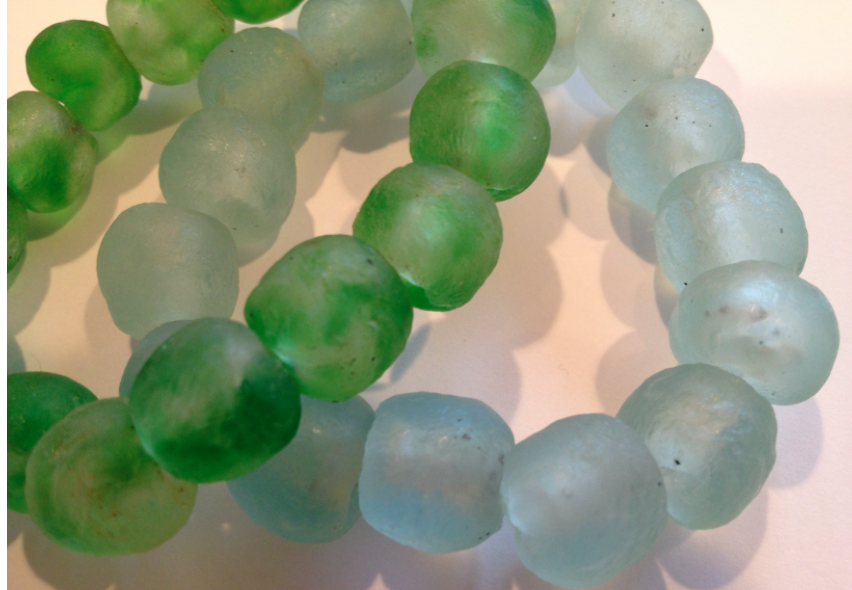
In October, several #WorldMoms attended the ONE Girls & Women AYA Summit at the Google Headquarters in Washington, DC. One of the many powerful panels we heard from was entitled Change Through Economic Opportunity, where both major fashion companies and small start-ups weighed in on how they impact the lives of women through economic empowerment. With the holiday season upon us, World Moms decided to share some of the ways we love to use our purchasing power to give back, and how you can too.

Sydney Price of Kate Spade NY spoke about the Kate Spade On Purpose line at the AYA Summit panel. Each piece in this collection is handcrafted in Rwanda creating sustainable economic opportunities for women and reshaping their community.
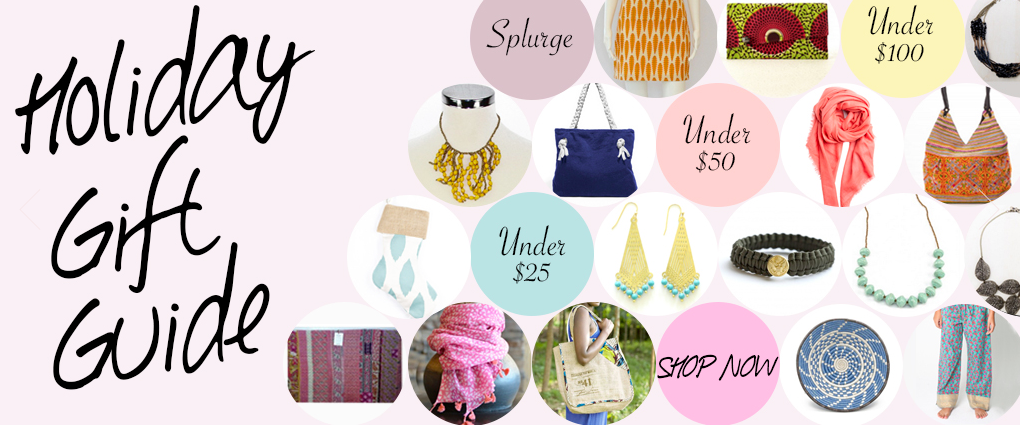
 Jane Mosbacher Morris , founder of To the Market, also participated in the panel on Change Through Economic Opportunity at the AYA Summit. To The Market provides a marketplace for the beautiful handcrafted goods that give women survivors of war, disaster or abuse a chance to support themselves and their families.

 World Moms Elizabeth Atalay and Nicole Melancon had the pleasure of visiting the FashionABLE factory in Ethiopia this past summer and we have all been writing about and wearing the gorgeous scarves made in Ethiopia for years. It was great to finally meet founder Barrett Ward at the AYA Summit this past fall where he participated on the panel as well. FashionABLE is now expanding operations to include products made in Kenya and a beautiful line of leather products, all while providing social service programs of health care, education in a trade, and assistance with child care for their artisans to help them build better lives for themselves and their families.
“Through your purchase, you are ABLE to provide opportunity, and a woman is ABLE to have a new choice.”-LiveFashionABLE
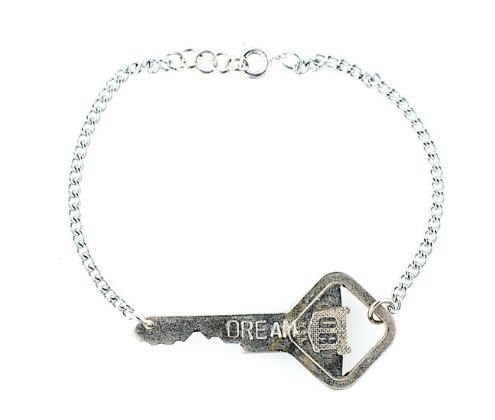
The Giving Keys provides jobs for those transitioning out of homelessness, giving them the opportunity to rebuild their lives. The necklaces & bracelets are super cool as is the message of the Giving Keys:
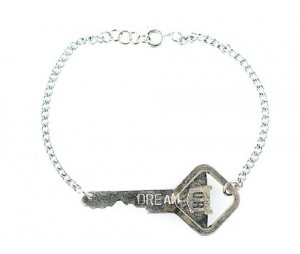
“When you get this Key, you must give it away at some point to a person you feel needs the message, then write us the story of why you gave it away. We employ those looking to transition out of homelessness.” -The Giving Keys
You can read Giving Keys stories of those who have given and received keys on their site.

Shop the ONE Campaign store Holiday Gift Guide for some fabulous items where you know everything is fair trade and ethically sourced. By doing so you support the ONE Campaign in it’s goal of eradicating extreme poverty.
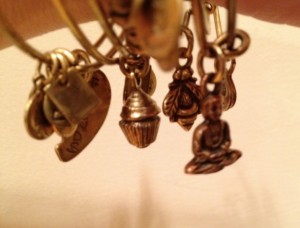
Alex & Ani Bracelets
Alex & Ani Charity by design products are another of our favorites. A percentage o profits goes back to designated non-profits. Their products are made in the USA from recycled materials, and spread the message of positive energy! They have branched out from bangles to key chains, and candles, wine charms & more!
From South Africa, The Mielie bags employ women of the townships in South Africa.
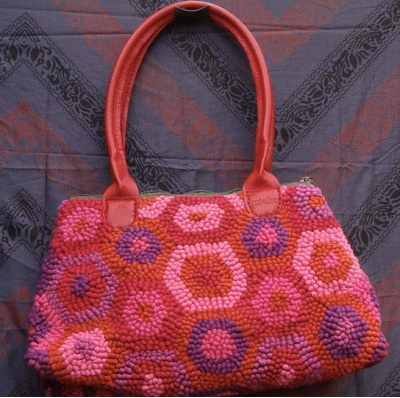
Mielie Bag Made in South Africa
Our mission is to design and produce innovative, export-quality hand-crafted products using reclaimed materials – with the aim of creating employment and restoring dignity and financial independence to South Africans.- Mielie
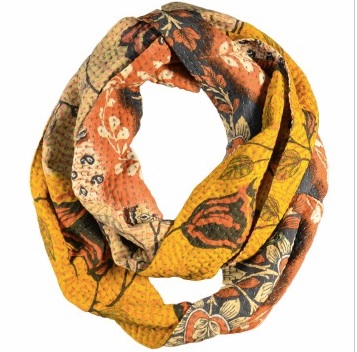
The Anchal Project Mission merges design, business, and education to empower marginalized and exploited women living in India. Their scarves are gorgeous and the company was founded by two Rhode Island School of design Grads.
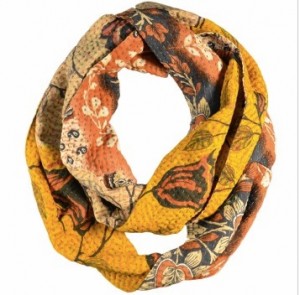
Anchal Scarf
Anchal is an Indian word that means shelter, or refers to the edge of a woman’s Sari used to provide comfort and protection for loved ones.-Anchal Project
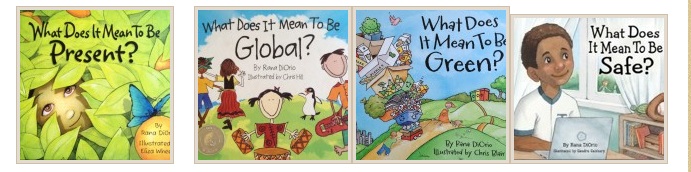
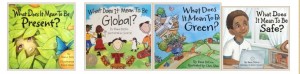
Kids Books from Little Pickle Press, a B Corporation, are some of our favorite books for kids!
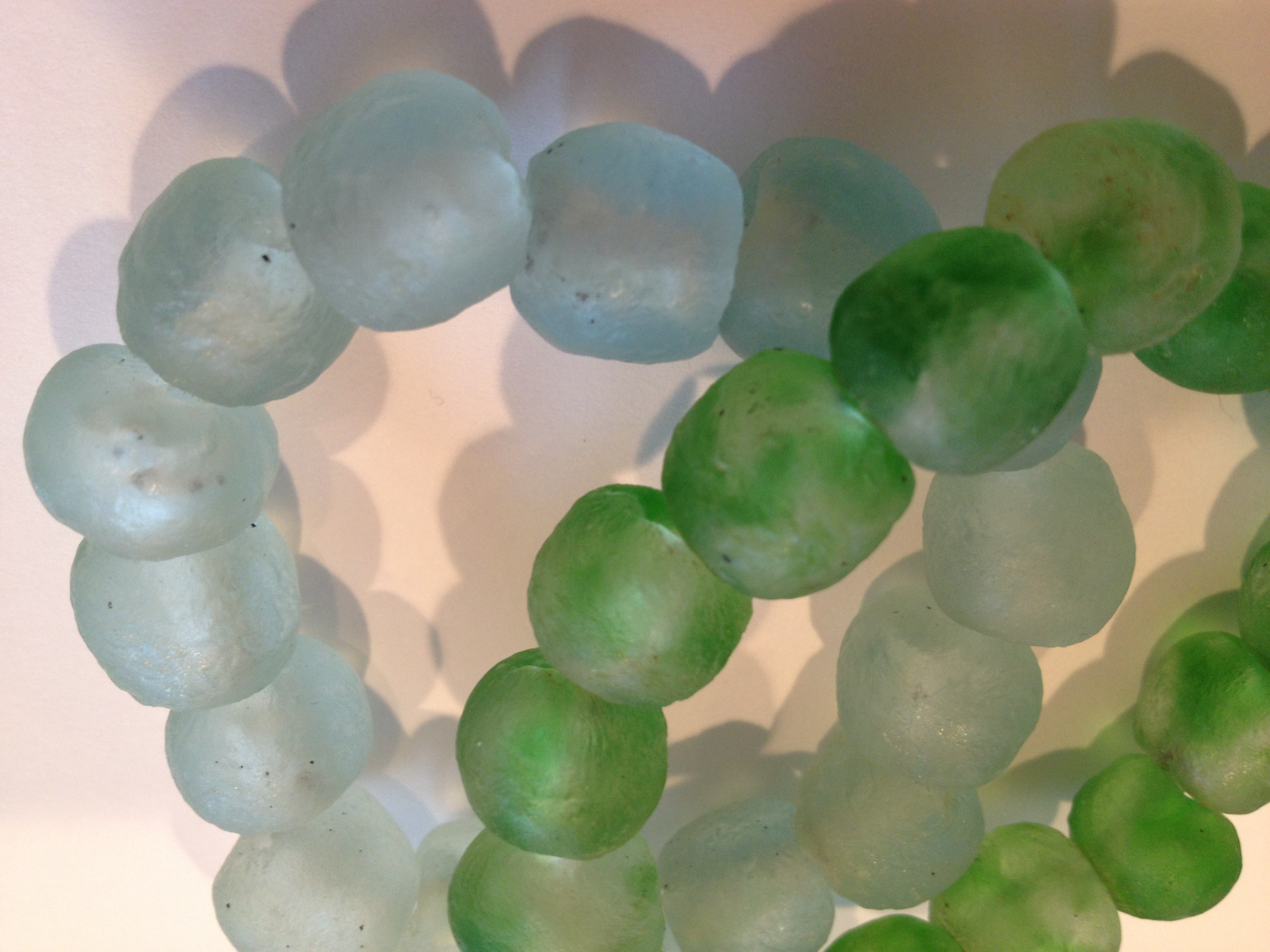
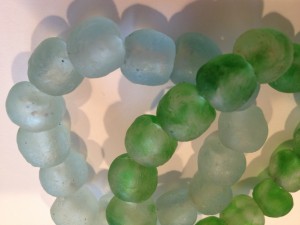
Lollie Beads Bracelets are created from fair trade recycled glass beads made in Uganda. So they are not only gorgeous (the glass beads look and feel like sea glass) but they are good for the environment AND help support sustainable living in a developing country.
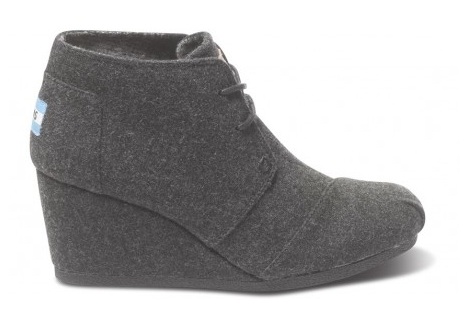
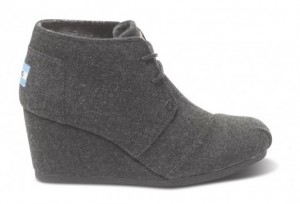 Tom’s keeps its designs fresh while still managing to provide shoes and glasses to those who need them. We love their One for One business model (and pledge to support it with as many shoes as we can get away with!)
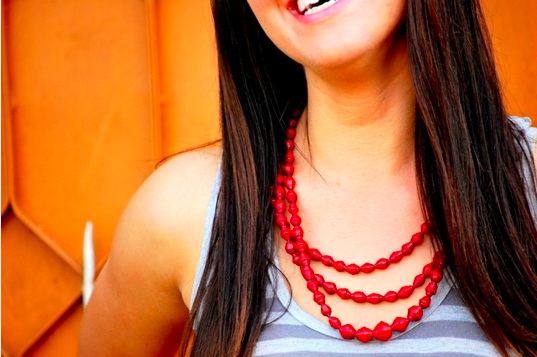
 1000 Shillings Ugandan Paper bead necklaces. The women artisans earn capital for their own small businesses by making limited-edition products for 1000 Shillings. Each product sold through 1000 Shillings helps a woman establish a small business, which enables her to support her family. They also aim to tell the in-depth story behind each artisan. The company works with six single mothers in the Namatala slum, Uganda.
A Gift As A Gesture:
Sometimes it is hard to find the perfect gift for someone who has every material thing they desire. Still you want to give something as a token of your appreciation to them and the below gifts are the perfect solution that everyone can feel good about.
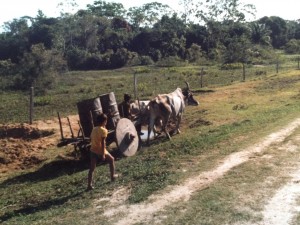
Photo by Elizabeth Atalay
Heifer International :
“Heifer International’s mission is to work with communities to end hunger and poverty and care for the Earth. It all started with a cow. Moved by the plight of orphans and refugees of the Spanish Civil War as he ladled out meager rations of powdered milk, Dan West, an Indiana farmer, volunteer relief worker and Church of the Brethren member, grasped that the people needed “a cow, not a cup”—cows that could produce milk so families would not have to depend on temporary aid. From that simple idea, Heifer International was born.” – From the Heifer International Website
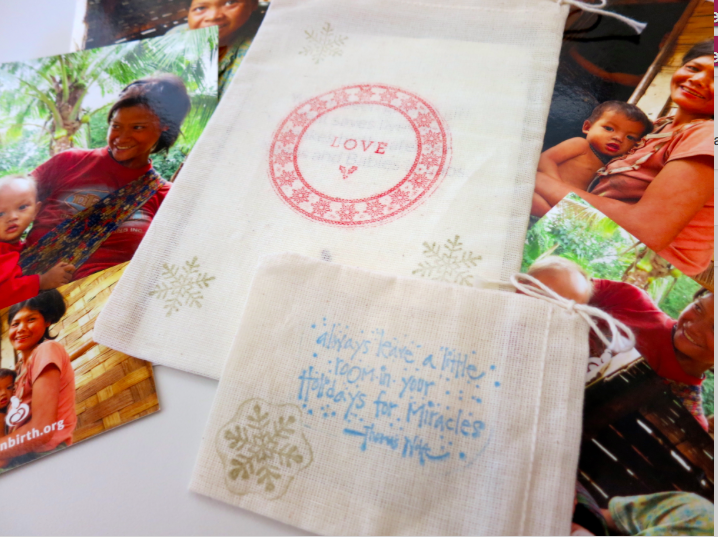 Save two lives, those of a mom and her newborn baby, with CleanBirth.org and the perfect holiday gift of Bags of Love and Miracles, a handmade bag with a beautiful full-sized honor card inside ($20) and 4 mothers in Laos will receive birthing supplies and safe birthing education.

Mom2Mom Africa is a Canadian Not-for-Profit Organization, established to help empower women and children through education. The benefits of education and global awareness apply to us all. Your gifts this season will help to buy books, school uniforms and school supplies for the Mom2Mom Africa students in Tanzania.
Wishing Happy Holidays to You All,
May You Give As Good As You Get!
Do you know other organizations or shops that belong on this list?

Elizabeth Atalay is a Digital Media Producer, Managing Editor at World Moms Network, and a Social Media Manager. She was a 2015 United Nations Foundation Social Good Fellow, and traveled to Ethiopia as an International Reporting Project New Media Fellow to report on newborn health in 2014. On her personal blog, Documama.org, she uses digital media as a new medium for her background as a documentarian. After having worked on Feature Films and Television series for FOX, NBC, MGM, Columbia Pictures, Warner Brothers, 20th Century Fox, and Castle Rock Pictures, she studied documentary filmmaking and anthropology earning a Masters degree in Media Studies from The New School in New York. Since becoming a Digital Media Producer she has worked on social media campaigns for non-profits such as Save The Children, WaterAid, ONE.org, UNICEF, United Nations Foundation, Edesia, World Pulse, American Heart Association, and The Gates Foundation. Her writing has also been featured on ONE.org, Johnson & Johnson’s BabyCenter.com, EnoughProject.org, GaviAlliance.org, and Worldmomsnetwork.com. Elizabeth has traveled to 70 countries around the world, most recently to Haiti with Artisan Business Network to visit artisans in partnership with Macy’s Heart of Haiti line, which provides sustainable income to Haitian artisans. Elizabeth lives in New England with her husband and four children.
More Posts

by Kyla P'an (Portugal) | Dec 11, 2014 | 2014, Adolescence, Awareness, Being Thankful, Bilingual, Cultural Differences, Culture, Education, Eye on Culture, Friendship, Inspirational, International, Japan, Language, Life, Life Lesson, Living Abroad, Multicultural, Parenting, Relationships, Responsibility, Study Abroad, Traditions, Travel, USA, World Motherhood
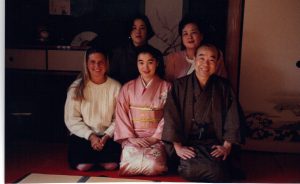
The author with her Japanese host family,
Oshogatsu (New Year’s Day), 1994
When I was eight years old, my mom moved from our home, outside of Philadelphia, Pennsylvania, to start a new life for herself in Los Angeles, California.
Growing up on the East Coast of the US, in the 1970’s, I had been exposed to only small pockets of Asian, immigrant populations; I knew nothing of the large, well-established Asian populations out on the West Coast.
On one of my first trips out to visit, my mom took me to an area of Los Angeles called Little Tokyo. As its name infers, it was a predominantly Japanese neighborhood and wandering around its streets made me feel like I had been transported to a different land.
I can’t remember if I had ever had sushi before my visit but certainly I had never experienced sushi in as authentic a setting as the restaurant she took me to that day.
The entrance involved crossing a wooden bridge over a small koi pond. There were stone lanterns and bonsai trees. the waitresses were all clad in kimono and the sushi arrived at our table on small wooden planks. I was mesmerized. For me, it was love at first…bite.
This experience had such an impact on me that, from that day on, I was enthralled by anything Japanese. I wanted to know everything I could about the country, culture and its people.
The Japanese were the great inventors of all things prominent in my childish memory: Iron Man, Godzilla, Kero-Kero Keroppi, Hello Kitty, my first Walkman. What a genius tribe they must be!
The rise of my curiosity coincided perfectly with the rise of the Japanese economy. Access to their food, products and even language grew increasingly accessible.
When I was in high school, a small group of students expressed their desire to study Japanese, a language option not yet offered at my school. Fortunately for us, since our school was less than an hour from Yale University—one of the US’s leading colleges—we petitioned for and received permission to get transportation to Yale one evening a week, so we could take an introductory-level Japanese language class there.
When I began researching colleges the following year, I selected only those with an established Japanese language program and study abroad opportunities.
I ended up at a small, liberal arts college in Tennessee with a strong International Studies department. I enrolled in every Japanese class they offered. In my sophomore year, I applied for and was accepted into my school’s Japanese exchange program with our sister university in Osaka, Japan.
At the end of my sophomore year, when all students had to declare their majors, I–along with one other student–petitioned for and was granted permission to develop the school’s first degree track in Japanese Studies. It seemed an auspicious plan, considering the Japanese purchase of the iconic, US landmark, Rockefeller Center, earlier that same year.
I spent my entire junior year of college abroad, studying at a Japanese university, living with two separate Japanese families and absorbing as much of the country and culture as possible for a college-aged kid.
I turned 21 there, a major American coming-of-age. I participated on Japanese sports teams, took painting and pottery classes, studied the culture through the fascinating lens of manga (Japanese comics), dated only Japanese men and immersed myself in the pursuit of understanding all things Japanese.
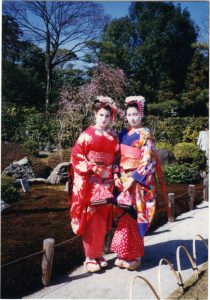
The author and her host sister dressed in kimono
My study abroad experience had an unbelievable impact on my life. It launched my passion and insatiable hunger for travel and Asia, beyond Japan.
I gained greater independence, broadened my global perspectives, forged life-long friendships, developed cultural empathy and experienced life as a minority; a gaijin (outsider) in a homogeneous land.
I consider my study abroad experience the foundation of the life I built upon it. I know that many of us here at World Moms Blog also have had experiences living and studying abroad; it is one of the many ties that bind us. We are global citizens striving to raise our own children in an increasingly globalized world.
But, as you will learn later today from World Moms Blog Founder, Jennifer Burden, here in the US, accessibility to and enthusiasm for studying abroad are not as prevalent as many of us may think.
So what’s it like in your country? Are study abroad programs prolific on your college campuses? Did you benefit from studying abroad? Tell us about what the experience means to you.
And stay tuned later today for Jen’s post on Studying Abroad and how the White House is playing a part…
This is an original post to World Moms Blog from our managing editor and mother of two rising, global citizens, Kyla P’an.
The pictures used in this post are credited to the author.
Kyla was born in suburban Philadelphia but spent most of her time growing up in New England. She took her first big, solo-trip at age 14, when she traveled to visit a friend on a small Greek island. Since then, travels have included: three months on the European rails, three years studying and working in Japan, and nine months taking the slow route back from Japan to the US when she was done. In addition to her work as Managing Editor of World Moms Network, Kyla is a freelance writer, copy editor, recovering triathlete and occasional blogger. Until recently, she and her husband resided outside of Boston, Massachusetts, where they were raising two spunky kids, two frisky cats, a snail, a fish and a snake. They now live outside of Lisbon, Portugal with two spunky teens and three frisky cats. You can read more about Kyla’s outlook on the world and parenting on her personal blogs, Growing Muses And Muses Where We Go
More Posts - Website
Follow Me:


by World Moms Blog | Dec 3, 2014 | 2014, Awareness, Being Thankful, Caring, Casting a Wider Net, Economy, Eye on Culture, Guest Post, Helping, Human Rights, Humanitarian, Inspirational, International, Marketing, Motherhood, Multicultural, Philanthropy, Poverty, Rape, Social Equality, Social Good, Social Media, Tragedy, USA, Women's Rights, World Interviews, World Tour
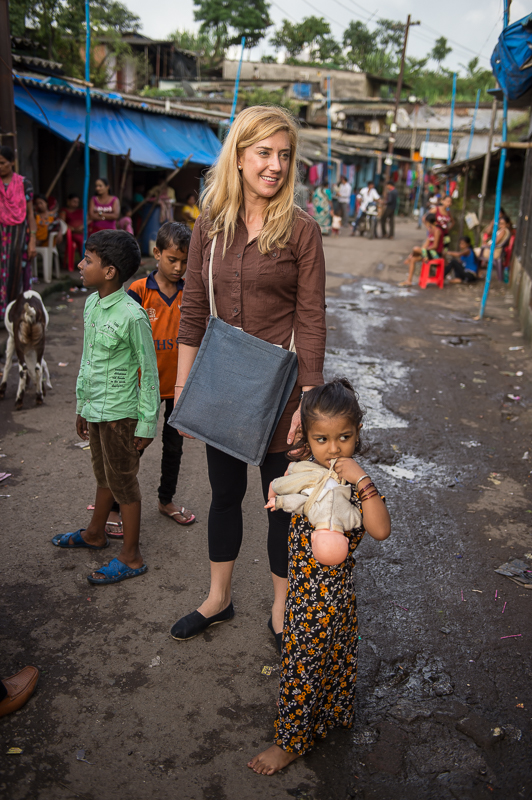
Jane Mosbacher Morris,
Founder of To the Market
What is To the Market and how did it get started?
TO THE MARKET | Survivor-made Goods (TTM) combines the powers of commerce and storytelling to empower the world’s most courageous survivor populations. We’ve developed a three-pronged social enterprise model that we believe reflects the needs of organizations employing survivors of abuse, conflict, or disease to help ensure that these organizations can continue to provide steady work to the survivors.
Our goal is that the survivors in our network eventually achieve economic independence, meaning that they aren’t dependent on someone or something else.
Our model includes (1) promoting survivor-made goods via our multiple distribution channels, including pop-up shops, custom sourcing, retail partnerships, and our online marketplace; (2) offering a platform for survivors and their champions to share their stories through TTM’s Stories and Huffington Post blogs; and (3) providing tailored services, such as trend forecasting and basic mental health resources, to our partners to improve production and management.
I started TTM after a trip to Kolkata, India revealed a way to impact the most vulnerable survivor communities by offering them an opportunity to earn an income.
I saw the light in the eyes of the survivor turned artisans when they were given the chance to earn—they wanted the dignity of work. I began speaking to incredible people all over the globe (including in the U.S.) who had created social enterprises to employ different survivor populations, usually by employing them to produce handicrafts.
I heard really positive feedback about the model of employing survivors (and all of the incredible benefits to the self-esteem and trajectory of the survivor and his or her children). However, I also heard about the challenges of making this model work—TTM aims to help augment these challenges.
Who are the artisans at To the Market?
TTM identifies and teams up with existing organizations currently employing survivors of abuse, conflict, or disease. We call these organizations “local partners”. Local partners consist of non-profits and for-profit social enterprises that have already set up shop, hired, and trained survivors to produce products.
TTM focuses on certain types of survivor populations. This includes, but is not necessarily limited to; survivors of abuse, such as survivors of domestic violence, physical and sexual abuse, and human trafficking; survivors of conflict, such as war widows, refugees, or persons living in conflict/post-conflict states ; or survivors of disease, including populations living with HIV/AIDS, leprosy, or physical disabilities.
We have partners across the globe, including in the U.S., South America, Africa, and Asia.
Do you see a pattern in consumers’ behavior when it comes to shopping responsibly?
I think there is a desire to shop more responsibly, but it often comes down to what people can afford. I am really proud of the fact that our local partners make a variety of products at all different price points—on-trend bracelets for under twenty dollars to timeless cashmere scarves for several hundred dollars.
Can you share a personal story that you think best represents the mission of the online shop?
I recently spent nearly a month in Nepal and India visiting with many of our local partners. I was particularly reminded of how transformational economic independence can be to these survivors when I spent time with their children—their daughters, especially. Most of the survivors we work with are women. When the women achieve economic independence, their daughters are so much less likely to be exploited. We recently wrote about a shelter in New Delhi, India that employs HIV/AIDs infected and affected women. You can see the video about the shelter and read about it on our Stories blog here.
How did you get involved with this work?
I began my career in counterterrorism with a focus on the intersection of women and security. Much of my mission was to try to elevate the role of women in national security-related issues, but I consistently found that women with some form of economic independence had so much more leverage in their family, community, and country than those with none.
That (five year) experience got the wheels turning quickly about the importance of economic independence in empowering vulnerable populations. When I went to work for the McCain Institute on human trafficking, I really saw how vital it was for survivors of some sort of trauma (whether it be abuse, conflict, or disease) to have access to some income.
It brings me extraordinary joy to be a part of the life-changing process of gaining even the slightest bit of independence.
What are your favorite picks for this holiday season?
- For Mom: I love this 100% cashmere scarf hand spun by master spinners in the Kashmir Valley! Each scarf contains the women’s initials that made it.
- For Dad: I love this red spice and merlot trivet. It’s the perfect size for cuff links, receipts, or coins and is neutral enough to sit comfortably on a nightstand or office desk. It’s hand-woven by craftswomen in Rwanda.
- For college kids: I have to suggest the patrice signature bag, which I am currently carrying by No41. It has two major points of impact!
- First, it provides a stable job and sustainable income to a young woman transitioning into a life of independence from living in an orphanage in Rwanda.
- SECOND (and perfect for the college student), it provides 240 meals to a secondary student in Rwanda!
- For kids: I love these brightly colored elephant ornaments (in pink or blue) hand-sewn by women in the Ivory Coast. Pink and blue patterns make it easy to pick for a boy or girl.
- For the office or book/dinner club gift exchange: I selected either a Sari Coin Purse hand-sewn by human trafficking survivors in Kolkata, India or this Hope Ornament pounded out of recycled metal oil drums in Haiti. Even if you don’t have a tree, you can hang this Hope sign up to encourage you! Both come in under $10, the perfect price point for small gifts.
- I am also including a couple “splurge on yourself “ items because I feel like most moms that I know only spend on others! I’ve included the Holiday Festive skirt, because it’s the perfect pattern for this time of year and also because it’s made by stay-at-home moms in Belize who are caring for sick children. Or, this Soledad Peru bag. The Suede straps and bottom make it strong enough to carry six wine bottles (yes, please!). The bag was made by women weavers in a valley deeply scarred by the Shining Path.
How can World Moms help spread the word about shopping responsibly this holiday season and beyond?
What a great question! Helping to get the word out about social enterprises like TO THE MARKET via social media and blogging is a tremendous help, in itself. Someone doesn’t have to have a huge following, either! Just telling your family or friends that these social enterprises exist makes a difference. So much of why so many social enterprises struggle is because they don’t have the marketing budget that big box retailers have to tell their story. There is nothing more flattering (or effective) than a personal referral!
This is an original interview with To the Market founder, Jane Mosbacher Morris, for World Moms Blog. You can learn more about the good work and great products To The Market sells by visiting their website (http://www.tothemarket.com/goods)
The image in this post is used by permission from To the Market.
World Moms Blog is an award winning website which writes from over 30 countries on the topics of motherhood, culture, human rights and social good. Over 70 international contributors share their stories from around the globe, bonded by the common thread of motherhood and wanting a better world for their children.
World Moms Blog was listed by Forbes Woman as one of the "Best 100 Websites for Women 2012 & 2013" and also called a "must read" by the NY Times Motherlode in 2013. Our Senior Editor in India, Purnima Ramakrishnan, was awarded the BlogHer International Activist Award in 2013.
More Posts