by Maureen | Apr 30, 2015 | 2015, Being Thankful, Cultural Differences, Divorce, Education, Family, Gratefulness, Humanity, Identity, Indonesia, Inspirational, Kids, Life Lesson, Motherhood, Parenting, Poverty, Responsibility, Responsibility, Scoops of Joy, Single Mother, Transportation, Travel, Vacationing, Working Mother, World Motherhood, Younger Children
 When it was time for my son to start school, I knew I wanted him to go to private school and thankfully, he was accepted into one of the international schools near our house.
Private school has its pluses and unfortunately its negatives too.
My son’s classmates are from the upper-middle class, those whose spring breaks were spent going to Japan or Hong Kong to visit Disney Land. The same kids who also have their own iPads and the latest cell phones.
I realized this might cause a challenge for us—with me being a single mom, who had just recently returned to the corporate world—but I try not to let their different lifestyles make my son feel that he’s different.
So that’s why, on Easter weekend, I took him on a mini-getaway to my new job.
We did not take a taxi to get to my office, which is in a hotel. Instead, we rode the train like I do daily. I wanted to show him this is what his mother has to do to get to and from work. He got to see views that he won’t see from inside a nice air conditioned taxi or private car.
He loved staying in the hotel, just like most kids do, so we had a blast. But on our way home Sunday afternoon, the train was full. Not as full as it normally would be on a week day, still, we had to stand. We were leaning against the wall that separates the engine and the passengers. With the train swaying, it didn’t take long before my son told me he wished he could sit down.
Part of my mama bear instinct wanted to give him a seat but part of my tough love was to allow him to feel and experience how not everyone is blessed with a comfortable life.
I hope by showing him what I have to go through on a daily basis it will help him realize that I am working hard, that as the sole bread winner, I am providing for him. Yes, his father pays for school but outside of that, he is my responsibility and I’m doing my best to take care of him.
Yes, I told him I would love to be able to take him to Disney Land someday but for now, we have other priorities. Bills to pay, medicines to get for my parents, uniforms to alter, the list goes on.
Through our short train ride, my son was exposed to life “outside the fence”. What he saw through the windows of the train: makeshift shacks, houses built only inches away from the train tracks, kids playing soccer barefooted with garbage piling up around them. Hard life. The other side of glamorous Jakarta living.
We discuss this. He asked me why these people are living in such poor conditions. My heart ached having to explain that some people are not as fortunate as we are and that poverty is real.
We have a house to live in, a roof over our heads, while others came to the big city to chase their dreams and never made it. That’s why it is important for him to get his education so he can make a living for himself, one that hopefully he will love. I told him it is easy to look up and want what other people have but we need to be in the now, to be grateful for what we already have. To remember that there are those who need our help, who are struggling just to eat.
My wish is for my son to understand this, to grow up being grateful for what we have and to have a heart that is kind and willing to help others.
How do you explain poverty to your children?
This is an original post to World Moms Blog from our writer and single-mom to one in Jakarta, Tatter Scoops.
The image used in this post is attributed to Hideki Yoshida. It carries a Flickr Creative Commons attribution license.

by Kristyn Zalota | Apr 21, 2015 | 2015, Awareness, Babies, Birthing, Clean Birth Kits, Humanitarian, Inspirational, Laos, Motherhood, Newborn Health, Philanthropy, Social Good, World Moms Blog, World Voice
The Truth About Fundraising.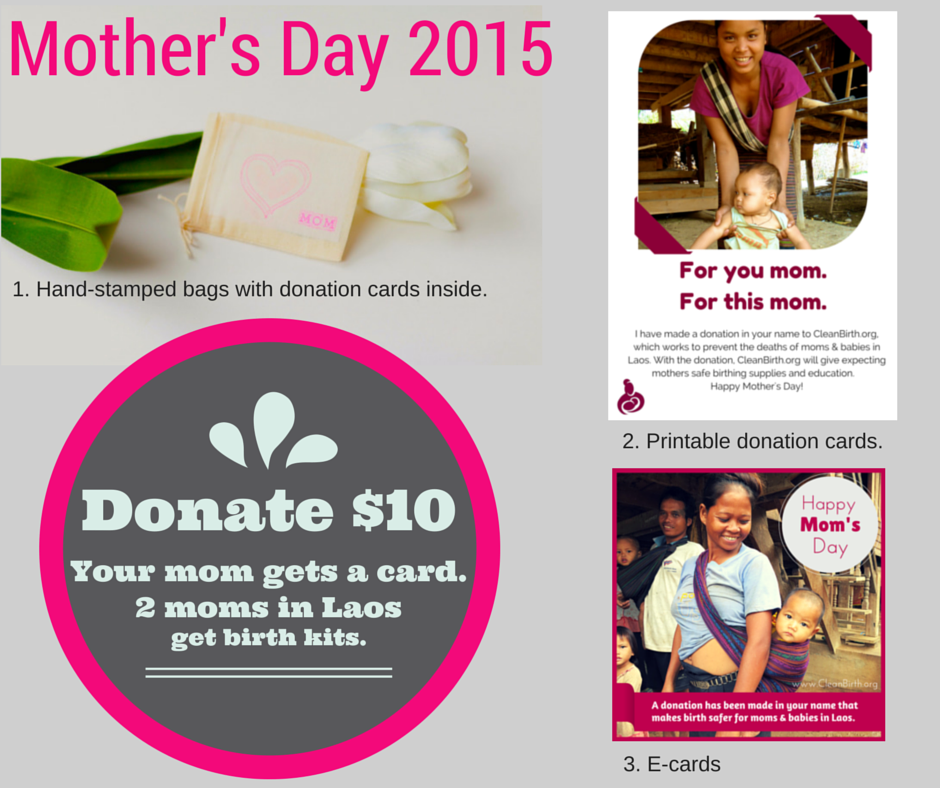
When I talk about the fundraising work that I do for the organization I started, CleanBirth.org, I often hear in response, “I could never ask people for money.”
I’ll be honest, I don’t have a choice. When I began providing moms with life-saving birth supplies, in partnership with a local NGO in Laos, I used my own funds. Happily, the $5 kits proved effective and more moms wanted the sterile, convenient supplies that prevent deadly infections in moms and babies. How could I say no?
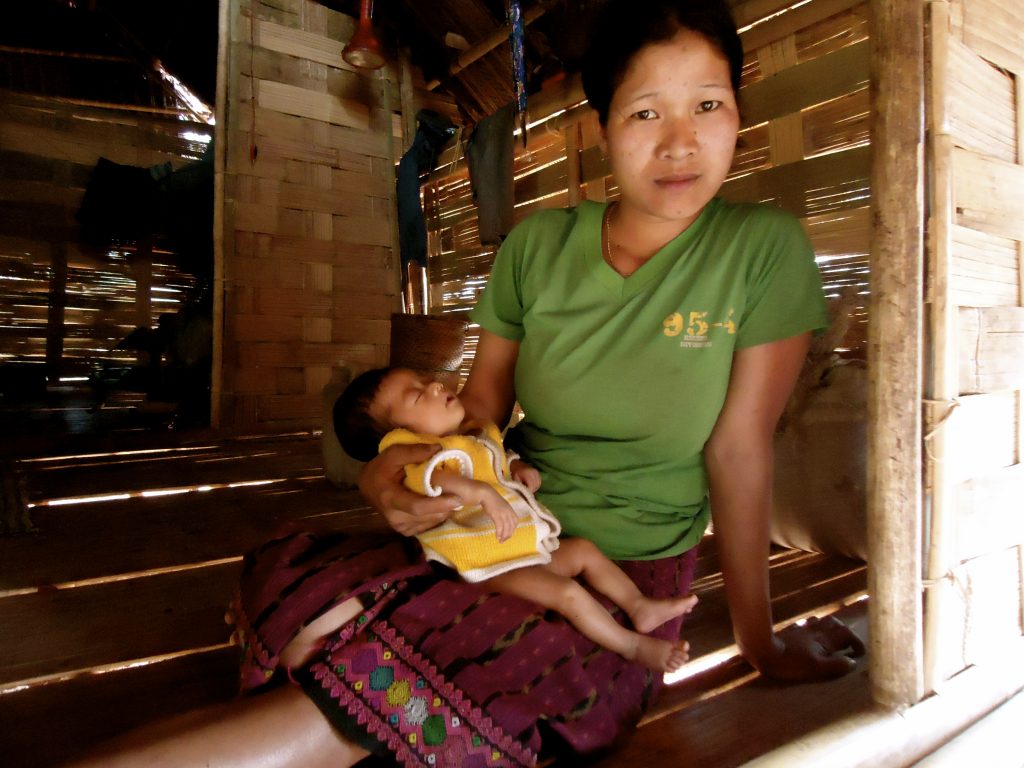
So I promised to fund as many kits as were needed.
Since we began in November 2012 we have provided 4,000 birth kits to moms and training for 180 nurses and staff.
Knowing that my own funds couldn’t sustain the project, I told my story to others. I wasn’t great at promoting the project at first but many friends and family supported me anyways. The tagline: $5 Saves 2 Lives in Laos proved irresistible.
Now 3 years on, the project has grown beyond my own social network. Thanks to bloggers at World Moms Blogs and others, we have extended our reach worldwide. I am constantly touched by the simple notes of support that accompany donations from complete strangers:
Thank you for doing what you do for mothers and babies!
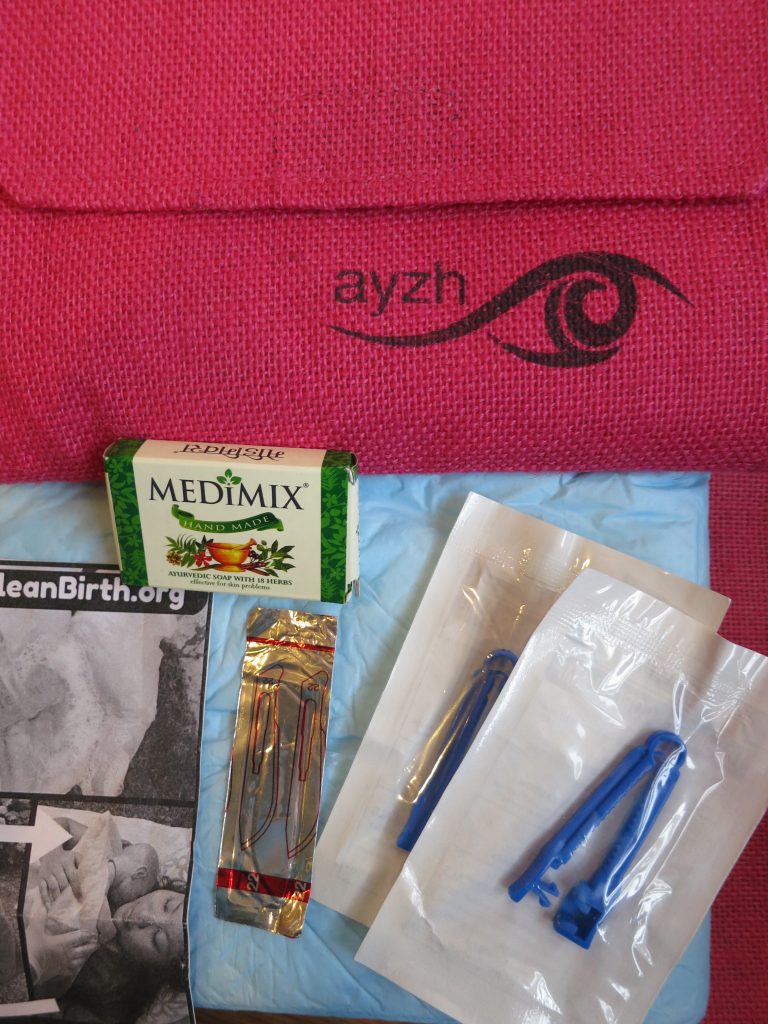
Another great aspect of fundraising is working with others who want to share their special gifts to make birth safer. One example is a fun collaboration happening now for Mother’s Day. World Moms Blogger and photographer Ewa Kuc of Ewa Samples Photography in the Bay Area has developed awesome Mother’s Day photo session packages. A full 40% of the profits go to CleanBirth.org!
In my almost 3 years doing this, I have come to appreciate that fundraising is a give and take proposition.
I’m not just taking money but giving something to donors: a feeling of making a positive impact in the world; the piece of mind that comes from donating to a transparent, registered organization; or a tangible gift to give a loved one.
One such gift, our $10 Mother’s Day cards, honor mom or grandma & provide 2 moms in Laos with Clean Birth Kits.
So the truth about fundraising is that I do ask for money. (Please click here to buy our Mother’s Day cards!! J) But I also get to connect with many generous people who are committed to making their world a better place. We each give, and we each take. Not so scary after all.
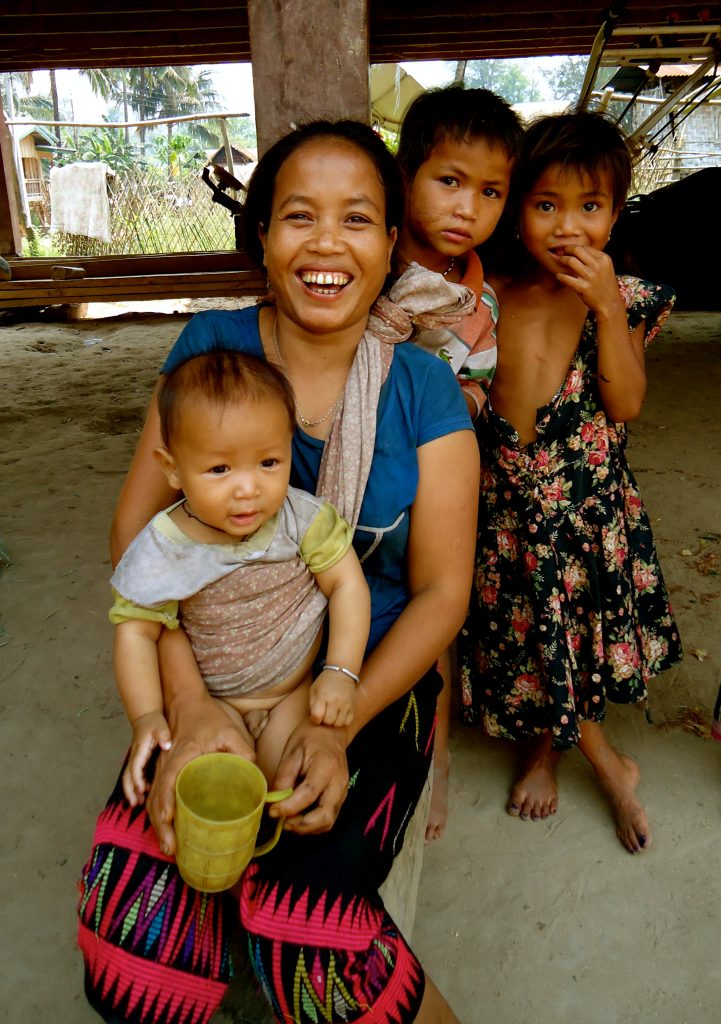
What benefits do you receive from donating or volunteering with a non-profit?
This is an original post written for World Moms Blog by Kristyn Zalota, the founder of Clean birth.org
Photo credits Kristyn Zalota.
Kristyn brings her years of experience as an entrepreneur and serial volunteer to CleanBirth.org. She holds a MA, has run small businesses in Russia and the US, and has volunteered in Nicaragua, Costa Rica, Thailand, Cambodia, Laos and Uganda on projects related to women’s empowerment.
After having children, Kristyn became an advocate for mothers in the US, as a doula and Lamaze educator, and abroad, as the Founder of CleanBirth.org. She is honored to provide nurses in Laos with the supplies, funding and training they need to lower maternal and infant mortality rates in their villages.
More Posts

by Melanie Oda (Japan) | Apr 17, 2015 | 2015, Awareness, Cooking, Cultural Differences, Culture, Domesticity, Expat Life, Eye on Culture, Family, Food, Health, Home, Identity, International, Japan, Life, Life Balance, Living Abroad, Maternal Health, Me-Time, Motherhood, Multicultural, SAHM, Social Equality, Stress, Time, Traditions, Womanhood, World Motherhood
 I start my morning here in Japan the same way every day: by cleaning out the drain trap.
Not very pretty, I suppose, but I’ve learned the hard way that it needs to be done frequently and well. The drain traps here in Japan are metal mesh to prevent food from going down the drain. They get gross very quickly.
I’m pretty sure I started out my days when I lived in the US with a cup of coffee, which seems quite glamorous by comparison!
In spite of our gains in education or employment opportunities over the last century, much of our time as women gets taken up by mundane household tasks like this. Women all around the world are doing the same kind of things: laundry, food preparation, cleaning, child care, though in very different ways.
It makes me curious. How much of your time gets spent on “daily chores?” What kinds of things do you need to do every day? Do you do them alone, or do you have help?
Perhaps it is a boring topic, but for comparison I thought I would share a little bit of what housework is like here in Japan.
Laundry gets done daily in most families. We have washing machines, but most people don’t have dryers. In a country with cold winters, humid summers, and a rainy season, keeping up with the laundry feels like a daily battle! When the weather is not cooperative, laundry gets hung from curtain rails or any other overhang that can be found indoors. We have to bob and weave our way around the house. Imagine that Catherine Zeta Jones movie, but with laundry instead of lasers.
I do the shopping most days as well. This is quite common here in the greater Tokyo area, where storage space is limited and many people do not have cars to allow buying in bulk. Milk is sold by the liter; laundry detergent in 500ml bottles. The biggest shopping challenge is buying rice, which comes in 5 or 10kg bags.
I need to dust and vacuum every day. This is much more often than we did in the US growing up. I’m not sure why Japan is so dusty. Could it be the tatami floors? The single pane windows? The small living space? And more important than why, how can I make this dust accumulation stop?
Japanese cuisine seems to be gaining in popularity around the world. Many Japanese people eat a full meal in the morning (though this is slowly changing,) as well as at lunch and dinner. Japanese bento are also getting a lot of attention on the Internet for being nutritious as well as visually appealing. Overwhelmingly, the cooking is done by women. (Personally, since my children’s lunch is provided by the school, most days I cook twice.)
Like most families here, we have a gas stove-top, a rice cooker, and a microwave combined with an electric oven for cooking. My mother-in-law has a separate gas burner that can be placed on the table for doing things like sukiyaki or okonomiyaki, foods that are consumed as soon as they are cooked by the family from the same dish. My children are still a bit too small for me to attempt this at home.
I think many of us around the world are doing these same things, but the nitty-gritty of how we get it done and how often we do it are different. I can’t help but wonder what housework says about the values of the culture.
In the US, for example, many families take pride in a well-decorated home. In Japan that is much less important. (Perhaps because many women are spending all that time dusting and dodging laundry….)
What kinds of things are included in your daily duties? How do you feel about doing them?
This is an original post to World Moms Blog from our writer in Japan and mother of two, Melanie Oda.
The image used in this post is attributed to the author.
If you ask Melanie Oda where she is from, she will answer "Georgia." (Unless you ask her in Japanese. Then she will say "America.") It sounds nice, and it's a one-word answer, which is what most people expect. The truth is more complex. She moved around several small towns in the south growing up. Such is life when your father is a Southern Baptist preacher of the hellfire and brimstone variety.
She came to Japan in 2000 as an assistant language teacher, and has never managed to leave. She currently resides in Yokohama, on the outskirts of Tokyo (but please don't tell anyone she described it that way! Citizens of Yokohama have a lot of pride). No one is more surprised to find her here, married to a Japanese man and with two bilingual children (aged four and seven), than herself. And possibly her mother.
You can read more about her misadventures in Asia on her blog, HamakkoMommy.
More Posts
by Olga Mecking | Apr 13, 2015 | Family, Independence, Life, Motherhood, Netherlands, Parenting, World Motherhood
 Sometimes I think I’m too permissive. Sometimes I think I’m too strict. Most of the time, however, I think I’m just right. I try not to say “no” without having a good solid reason for it, although I am not afraid to use it when I feel something isn’t safe. Sometimes, when I’m cranky and tired, you will hear more “no” coming out of my mouth than I would like to admit. But there are many things that will most likely elicit a big, happy resounding “yes” from me.
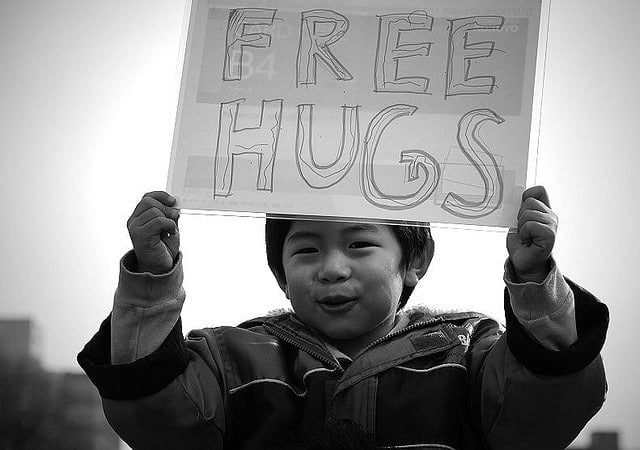
1) Hugs and kisses
I must confess that I always fall for these. I love it when my big girl puts her arms around me, the way my little girl’s body feels soft and warm in my arms, the soft smell of my baby’s head when I hug him. Yes, yes, yes, to all of them. Bring on the hugs and the smooches! Sometimes I don’t want to be touched and that’s OK, but when I’m in the mood, kisses are the best!
2) Singing songs together
I love singing, and my children seem to enjoy it, too. When we’re outside, running errands or walking to the playground and they ask me to sing “Let It Go”, I do what I’m told even though I can’t reach these higher notes. Singing gives us a lot of pleasure and besides, with some more practice (and since children love repetition, I get a lot of that), I’ll be able to sing it Idina Menzel-style in no time. Just watch me!
3) Reading books
To call me a bookworm is an understatement. I have a very serious reading addiction, and if you ask me, it’s the best of all addictions to have. Our house is full of books. We have recently given away some toys, but the books are not going anywhere. And if my children ask me to read to them I’ll drop anything I’m doing in order to do just that. I am also teaching my 5-year old to read and write so that she can also read independently. But I want to give them my love of reading and hope they will find joy and solace in books.
4) Independent play
I must admit that I don’t entirely enjoy playing with my children. I am just not that good at playing. So I will do anything to get out of playing with my kids. But I do love reading my book, and catching glimpses of them playing together. Seriously, the less I intervene here, the better they play. And if, once in a while, I make a suggestion that we all play together and they say, “No, we want to play by ourselves”, who am I to argue? It’s back to my book, then. Thanks, kids!
5) Answering their questions
The number of questions a child asks is endless. “What is this?” “What is that?” “Why did that happen?” “How do you know that?” It may seem annoying to some, but I actually enjoy answering my children’s questions. Some of them are simple or funny: “Why can’t I have ten legs?”. Others are more educational: “Where did the dinosaurs live?”. Yet others are hard: “What happens to us when we die?”. But I believe it is extremely important to answer these questions in an honest, but age-appropriate manner because they serve many functions, such as learning and managing difficult situations. Not to mention the fact that it teaches them that asking questions is always a good thing! So, children, ask away. You won’t hear, “Because that’s how it is” from me! The only exception I make is when they actually know the answer to the question.
It’s OK if I don’t respond to every need and every request. The children need to learn that their parents are individual human beings whose primary purpose isn’t necessarily connected to them. And there is a lot I simply refuse to do (like help them put on their clothes when I know perfectly well that they can do that themselves).
But there are things that I will always do for my kids, or at least as often as possible. I don’t think it’s a good idea to do things I don’t like doing for the sake of the kids. I also think there are some things I absolutely despise doing but the kids need them so it has to be done. The important thing I guess, is to find the happy middle ground.
What are some of the things you never say “no” to?
This is an original post to World Moms Blog by Olga Mecking of The Netherlands. Photo credit: Jesslee Cuizon. This picture has a creative commons attribution license.
Olga is a Polish woman living in the Netherlands with her German husband. She is a multilingual expat mom to three trilingual children (even though, theoretically, only one is trilingual since she's old enough to speak). She loves being an expat, exploring new cultures, learning languages, cooking and raising her children. Occasionally, Olga gives trainings in intercultural communication and works as a translator. Otherwise, you can find her sharing her experiences on her blog, The European Mama. Also take a while to visit her Facebook page .
More Posts - Website
Follow Me:


by Karien Potgieter | Apr 10, 2015 | 2015, Cooking, Family, Food, Health, Kids, Motherhood, Nutrition, Parenting, Responsibility, South Africa, World Motherhood, Younger Children
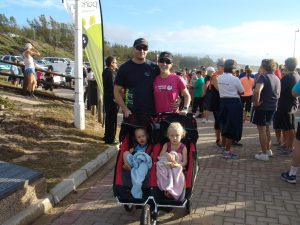 I’ve always enjoyed eating a healthy, balanced diet and exercising on a regular basis. Taking good care of the one and only body I’ve been entrusted with just feels good, and being able to run around and have fun with my family feels even better. During my first pregnancy, many moms warned me that my kids would never eat the healthy food that I keep in my house. Viennas, biscuits [cookies] and fish fingers would soon become our new household staples. “It’s all they’ll eat,” they said. I just shrugged, smiled, and refused to budge. How on earth have we come to believe that nutritious, delicious foods are somehow inferior to, or less tasty than, overly-processed, unhealthy products?
And since when are kids the dictators?
(more…)
Karien Potgieter is a full-time working mom of two toddlers. She has a master’s degree in ecology and works in the conservation sector in beautiful South Africa. Her other big passion, apart from her family and caring for the environment, is running. To date she’s participated in races on three continents and in six countries and she dreams of travelling to and running in many, many more. You can follow her and her family’s running adventures on her blog, Running the Race (http://www.runningtherace.co.za).
More Posts - Website
Follow Me:

by Nadege Nicoll | Apr 8, 2015 | 2015, Family, Humor, Kids, Life Balance, Motherhood, Nadege Nicoll, Older Children, Parenting, Time, Toys, World Motherhood, Younger Children
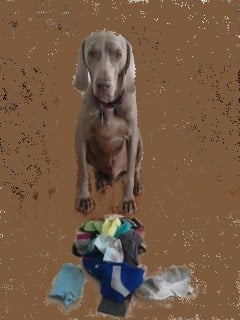
Science can explain everything in a mom’s life. All that nerdy mumbo jumbo is not just about the universe, or the evolution of mankind. Sure, it’s somewhat nice that we are able to send shuttles in space, produce electricity and retrace the origins of mankind. But the true use of science is for moms, to make sense of their day. And here are a few examples where you use science without even knowing it. (more…)
Nadege Nicoll was born in France but now lives permanently in New Jersey with her family. She stopped working in the corporate world to raise her three children and multiple pets, thus secretly gathering material for her books. She writes humorous fictions for kids aged 8 to 12. She published her first chapter book, “Living with Grown-Ups: Raising Parents” in March 2013. Her second volume in the series just came out in October 2013. “Living with Grown-Ups: Duties and Responsibilities” Both books take an amusing look at parents’ inconsistent behaviors, seen from the perspective of kids. Nadege hopes that with her work, children will embrace reading and adults will re-discover the children side of parenthood. Nadege has a few more volumes ready to print, so watch this space…
More Posts - Website
Follow Me: